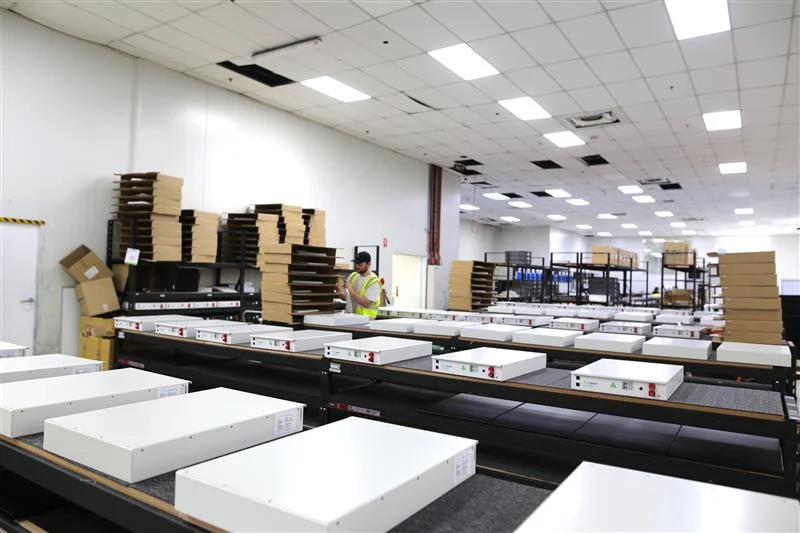
Victorian energy storage designer and manufacturer PowerPlus Energy has secured AU$2.3 million (US$1.65 million) in funding from ARENA.
Why it matters: Don't get distracted by localized manufacturing hype; focus on supply chains that actually support EU warranty standards and competitive, high-volume pricing.
The 'Local Hero' Trap
Another day, another state-backed battery manufacturer announcing a capacity jump. PowerPlus Energy hitting 150MWh is a nice story for the Victorian grid, but for the average installer in Munich or Lyon, it’s a warning sign, not a procurement opportunity. When you see government money flowing into niche, regional storage assembly, it's rarely about achieving the scale needed to compete with the likes of Pylontech or BYD on cost-per-kWh.
Why This Isn't Your Next SKU
Here is the reality check for the European market:
If you're looking for the next big shift, look at who is vertically integrating the cell chemistry, not just the assembly. If a company isn't controlling the supply chain from raw lithium refining to the BMS firmware, they are just another assembler waiting to get priced out. Don't chase the press releases from manufacturers outside the EU-China-US axis unless they offer a proprietary technology—like a unique solid-state architecture or a grid-forming inverter integration—that actually solves a problem for your C&I clients that Huawei or Victron can't.