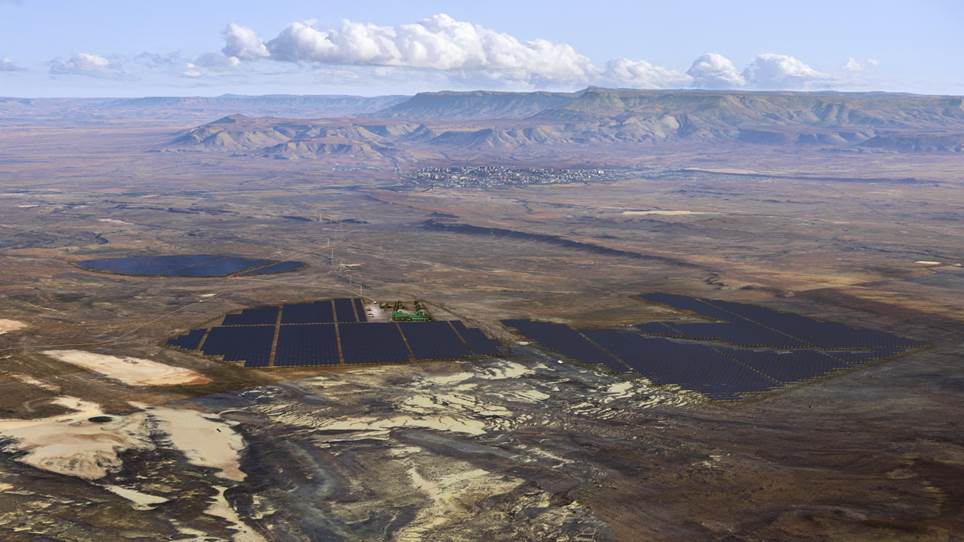
Mulilo has secured financial close for the 380 MWDC Beaufort West Solar PV project in South Africa, marking its first renewable venture in the Western Cape.
Why it matters: Global headlines about utility-scale projects won't help you solve your local grid-connection or BESS-integration problems.
Don't Confuse Utility Scale with Your Reality
Let's be blunt: a 380MW project reaching financial close in the Northern Cape isn't a signal for your business in Munich, Lyon, or Madrid. It’s a completely different asset class, regulatory environment, and risk profile. When I see headlines like this, I see a temptation for small-to-mid-sized installers to conflate 'global solar growth' with 'local market health.'
The Real Divergence
While Mulilo is fighting for grid connection and navigating South Africa’s unique REIPPPP procurement framework, European installers are currently wrestling with a far more immediate problem: cannibalization and negative price hours. You aren't competing for 380MW tenders; you're trying to figure out how to upsell a 15kWh residential BESS when the spot price hits zero at 2:00 PM on a Sunday.
If you're building in the EU, your 'financial close' is getting a homeowner or factory manager to sign a contract despite high interest rates. A 380MW project in Africa doesn't help you with the Net Metering reform in the Netherlands or the German EEG 2023 technical requirements for smart meter rollouts. Keep your eyes on the local grid capacity reports and the upcoming price floor for the next auction, not global gigawatt-scale announcements that have zero impact on your supply chain or your bottom line.