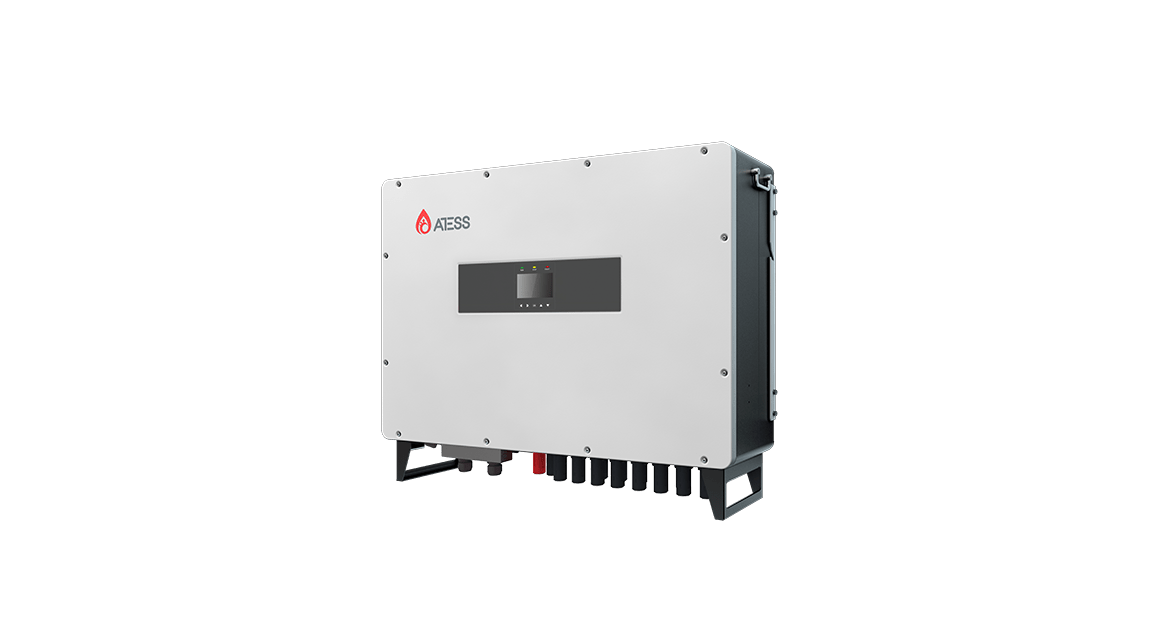
ATESS is transforming energy solutions for commercial and industrial businesses, focusing on reliable, clean energy amid rising costs. Their hybrid inverters and modular power stack batteries simplify infrastructure, reduce complexity, and allow for scalable energy management.
Why it matters: Before swapping your usual Sungrow or Huawei units for a new brand, verify their local grid compliance and post-sales support infrastructure.
The C&I Squeeze
Let's cut through the press release fluff. ATESS is pushing into the European C&I space with the standard value proposition: modularity and 'simplified' infrastructure. But for an installer in Germany or the Netherlands, the hardware is only 30% of the equation. If you’re a project developer, you’re not choosing an inverter based on a sleek brochure—you’re choosing it because your SCADA integration works on the first try and the local support team actually picks up the phone when a system goes into a fault state at 3:00 PM on a Friday.
Why the 'New Player' Tax is Real
The Reality Check: The European market is currently flooded with Tier-2 and Tier-3 manufacturers trying to capture the mid-market C&I segment. Unless ATESS is offering a 10-year full-system warranty backed by a local European entity—not a third-party distributor who will vanish when the margins tighten—they are just another vendor adding to your procurement headache. If you're looking at their 'Power Stack' for a project in Italy or Spain, check their local spare parts inventory first. If they don't have a depot within 500km, don't touch it.