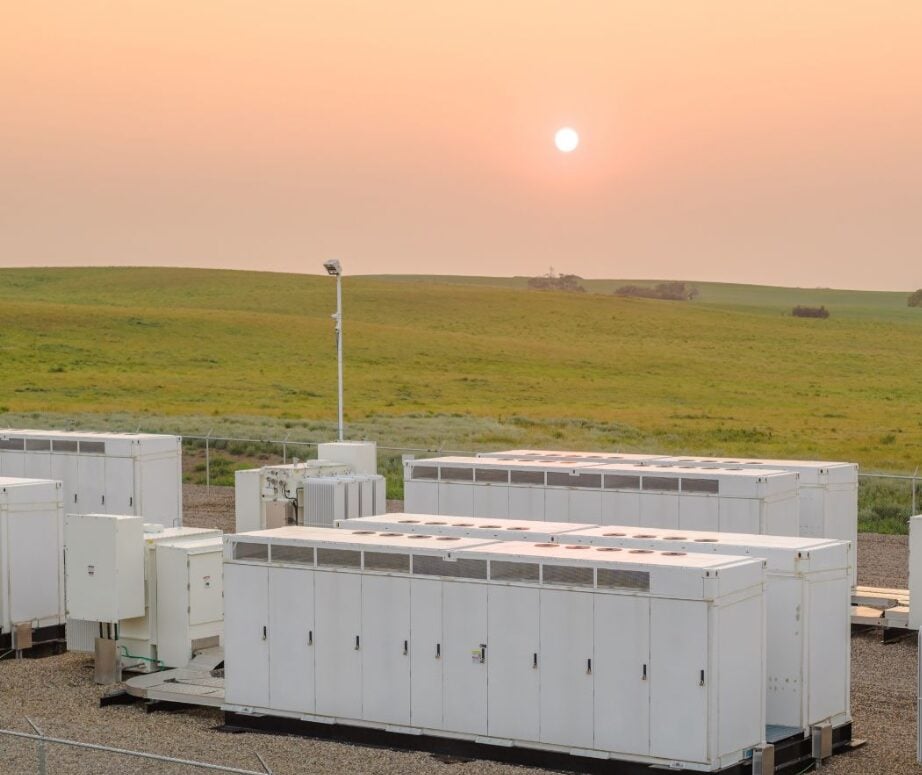
Copenhagen Infrastructure Partners (CIP) has begun construction on the 300MW/1,500MWh Patache battery energy storage system (BESS) in northern Chile.
Why it matters: The shift toward 4-hour storage duration is now standard for utility projects; if your C&I proposals are still stuck on 1-hour systems, you’re missing the arbitrage opportunity.
The Scale Problem in Your Backyard
While CIP makes headlines in the Atacama Desert, the real story here is the 5-hour duration of this 1,500MWh asset. In the EU, we are still obsessed with 2-hour residential stacks. This is a strategic error. As grid congestion metrics from Tennet and Amprion continue to worsen, the arbitrage window is shifting from short-term frequency response to multi-hour shifting.
The Supply Chain Indicator
Why does a project in Chile matter to a German C&I installer? Because CIP’s procurement strategy sets the floor for global Tier-1 battery pricing. When they move this much volume, they are locking in supply chains with CATL or BYD that define the price points for our own medium-scale projects six months later. If you are still buying storage based on last year’s catalogue prices, you are getting fleeced.
The days of 'solar-only' are dying. If your pipeline doesn't include a BESS component that can handle at least 3 hours of load, you aren't just losing margin; you’re losing relevance to the utility-scale firms creeping into the commercial market.