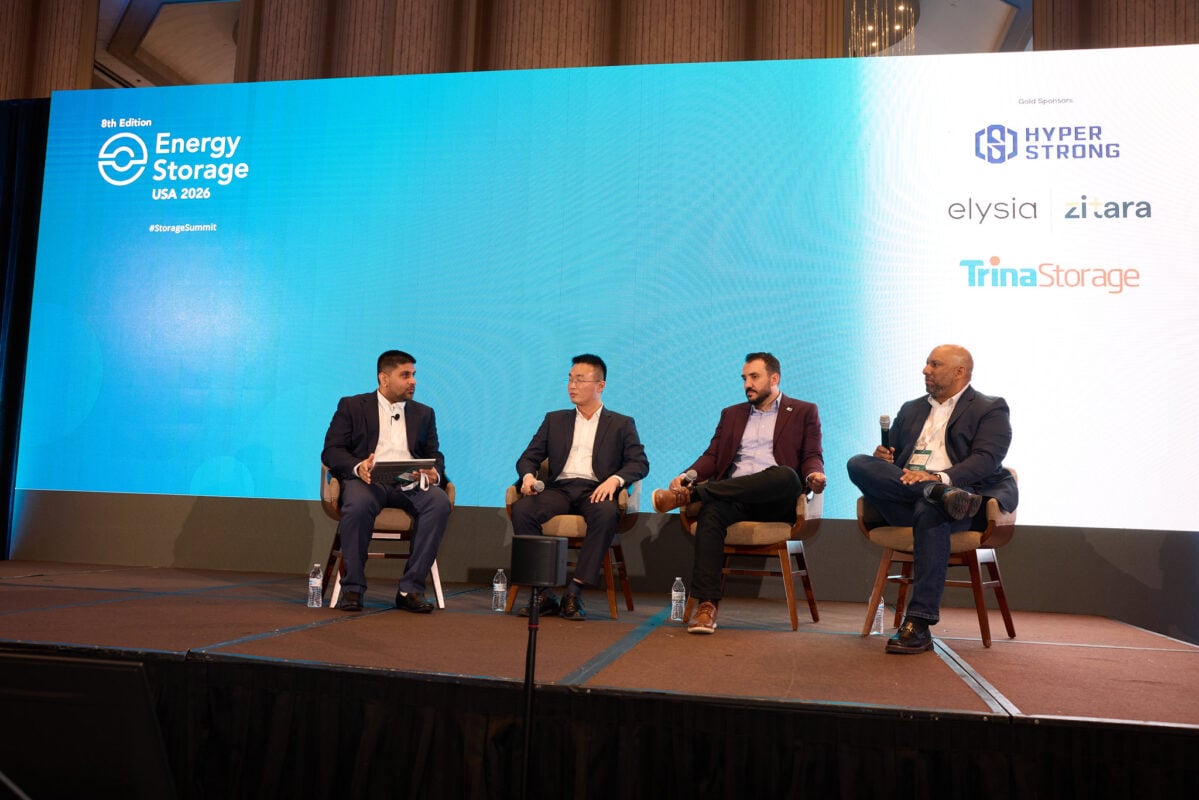
The many considerations developers must factor in when deploying battery storage for data centres were discussed on a panel at Energy Storage Summit USA 2026.
Why it matters: AI data centers demand high-discharge BESS specs that standard residential or C&I hardware can't hit; don't bet your firm's liability on a 'moving target.'
The AI Hype Trap
Let’s cut through the noise coming out of the US summit circuit. Everyone is betting that AI data centers will be the ‘killer app’ for BESS. But for an installer or developer in Frankfurt or Dublin, this isn't a plug-and-play opportunity. The energy density required for a Tier IV data center isn't just about 'adding a few batteries' to a PV array; it’s about sub-millisecond response times that standard C&I inverters struggle to guarantee.
The Reality Check for European Developers
The ‘moving target’ mentioned in the report is real. The move toward liquid-cooled modular BESS from players like Fluence or Sungrow is the only way to play this space, but the margins on integration are razor-thin compared to the risk. If you’re a mid-sized installer, don't chase the hyperscalers. Focus on the mid-market data centers—the 5MW to 10MW facilities—that actually need local grid stability and are willing to pay for an integrated energy management system (EMS) that doesn't require an AI-level IQ to operate.