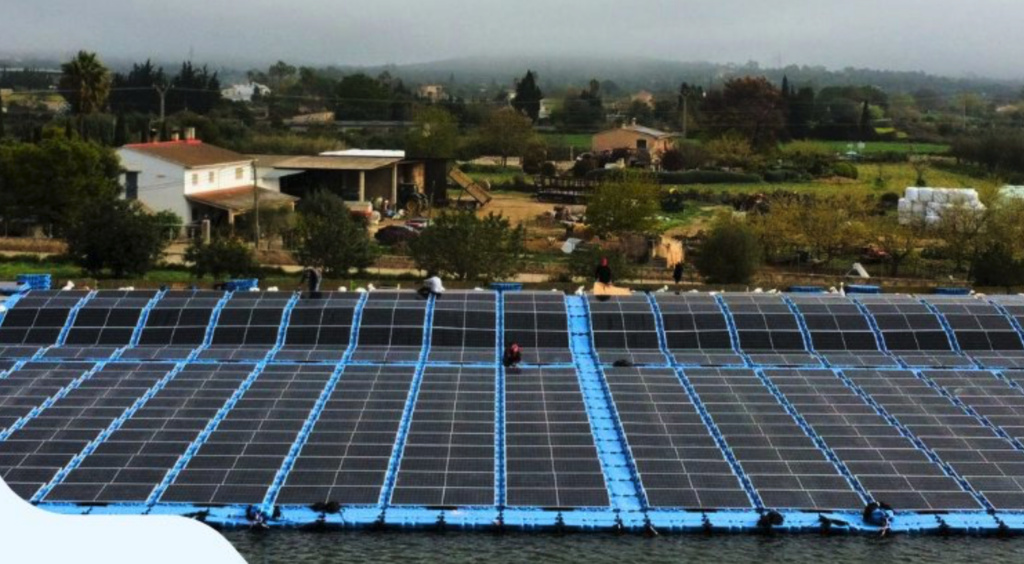
En Baleares están previstas las instalaciones fotovoltaicas flotantes de Artà (2,8 MW), Ciutadella (0,5 MW), Santa Eulàlia des Riu (0,5 MW), a las que se suman las ya existente de Inca (1,4 MW) y Capdepera (2,2 MW).
Why it matters: Floating PV is a specialized high-overhead game; unless you have marine engineering expertise, don't let the 'innovation' label fool you into losing margin.
The Floating Fallacy
Let's be real: 1.4 MW floating PV in Inca isn't moving the needle on European energy prices. It's a boutique project, likely driven by the extreme land scarcity in the Balearic Islands where finding a brownfield site without a three-year environmental battle is impossible. For the average EPC in Germany or the Netherlands, this is just a 'cool project' photo for the brochure.
Why the Math is Messy
If you're bidding on these floating tenders, you aren't just an installer; you're a marine engineer. The O&M costs for floating arrays are significantly higher than roof-mounts. You're dealing with:
The Balearic government is pushing these because they have no space, not because they are cost-effective. While companies like Isigenere are doing great work standardizing these systems, for most of you, this is a distraction. Unless you have deep expertise in aquatic logistics, keep your crews on the rooftops. The 'floating' premium is usually just a fancy way of saying 'higher overhead for the same kWh yield'. Stick to the C&I sector where you can control the environment, or you’ll be the one paying for the boat ride to replace a fried string inverter in the middle of a lake.