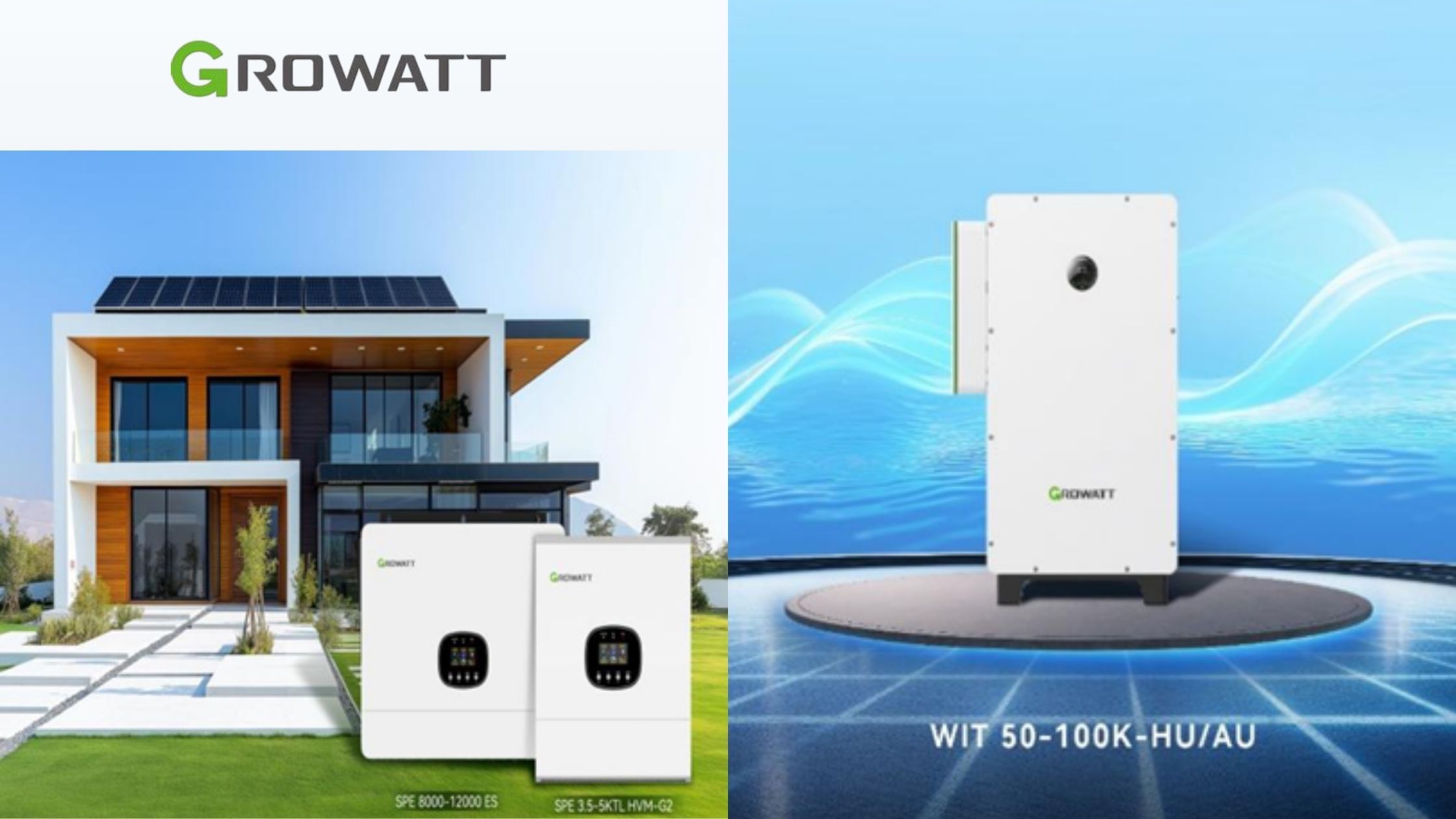
Inverters are transforming into intelligent control systems for effective grid management.
Why it matters: Don't let marketing fluff distract you—check the actual service SLA and local support capabilities before spec-ing any 'smart' inverter for a project.
The Reality Behind the Press Release
Let’s be clear: this is a standard-issue PR piece from Growatt’s marketing department, dressed up as industry analysis. They are talking about grid stability in India, but for a European installer, the headline should be irrelevant. However, it highlights a persistent friction point in our market: the gap between 'intelligent' firmware promises and actual field performance.
While Growatt frames their hybrid inverters as the panacea for grid instability, those of us working on the ground in Germany or the Netherlands know the score. We aren't looking for marketing copy about 'intelligent control systems'; we are looking for:
The Bottom Line: Brands often use emerging markets like India to test 'smart' features before rolling them out to the more litigious and regulation-heavy EU market. If you are a project developer, don't be swayed by the 'smart energy' buzzwords. Look at the MTBF (Mean Time Between Failures) statistics. Until a manufacturer provides a verified repair SLA that matches the 20-year warranty they advertise, it’s just hardware. Whether it's Growatt, Sungrow, or SMA, the hardware is becoming a commodity; the real value is in the support team that saves you a Sunday afternoon service call.