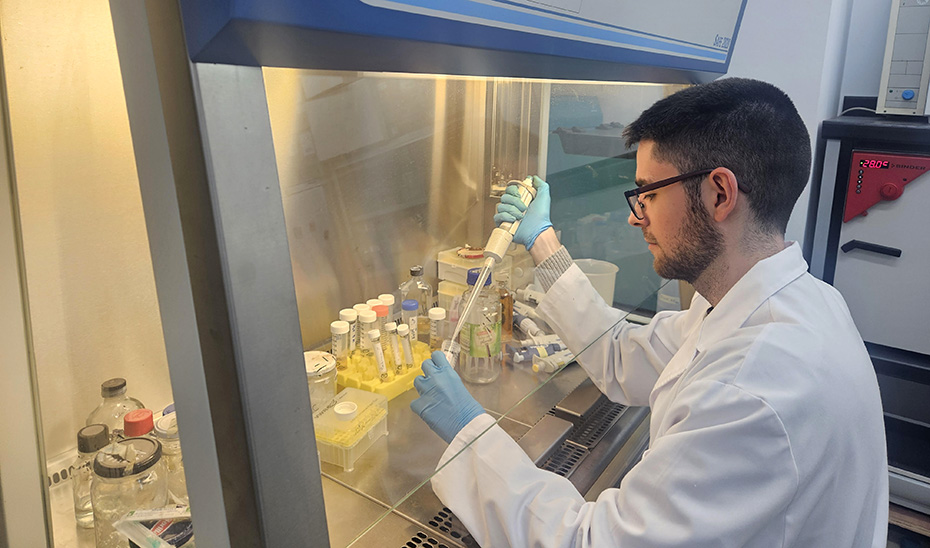
El equipo de Biotecnología Molecular de la Universidad de Cádiz ha desarrollado un sistema biotecnológico secuencial capaz de transformar glicerol residual del biodiésel en ácido málico y, posteriormente, en hidrógeno mediante fermentación oscura y fotofermentación.
Why it matters: Waste-to-hydrogen tech is years away from the field, but it’s a potential game-changer for decarbonizing industrial heat beyond the reach of standard PV.
The Reality Check
Let’s be clear: this is a classic 'lab-bench-to-grid' gap case. While the University of Cádiz is doing brilliant work with dark fermentation and glycerol valorization, don't go ripping out your string inverters to install bioreactors just yet. For the average EPC or C&I installer in Spain or Germany, this isn't a business line—it’s a long-term R&D signal.
Why This Matters for Your P&L
The real story here isn't the hydrogen; it's the circular economy premium. As EU regulations like the Renewable Energy Directive (RED III) push for more stringent carbon accounting, your industrial clients are desperate for ways to decarbonize process heat that electricity alone can't touch.
If you are bidding for large-scale logistics hubs or manufacturing sites in Andalusia, keep an eye on these partnerships. If the University can spin this out into a pilot project that integrates with existing PV-plus-storage sites, you might have an 'Energy-as-a-Service' pitch that goes beyond just clipping peaks. But for now? Treat it as a cocktail party talking point, not a procurement item. The math on producing hydrogen via microbial fermentation is nowhere near the €2-3/kg target required to make it competitive with green hydrogen produced via PEM electrolyzers like those from Plug Power or ITM Power.