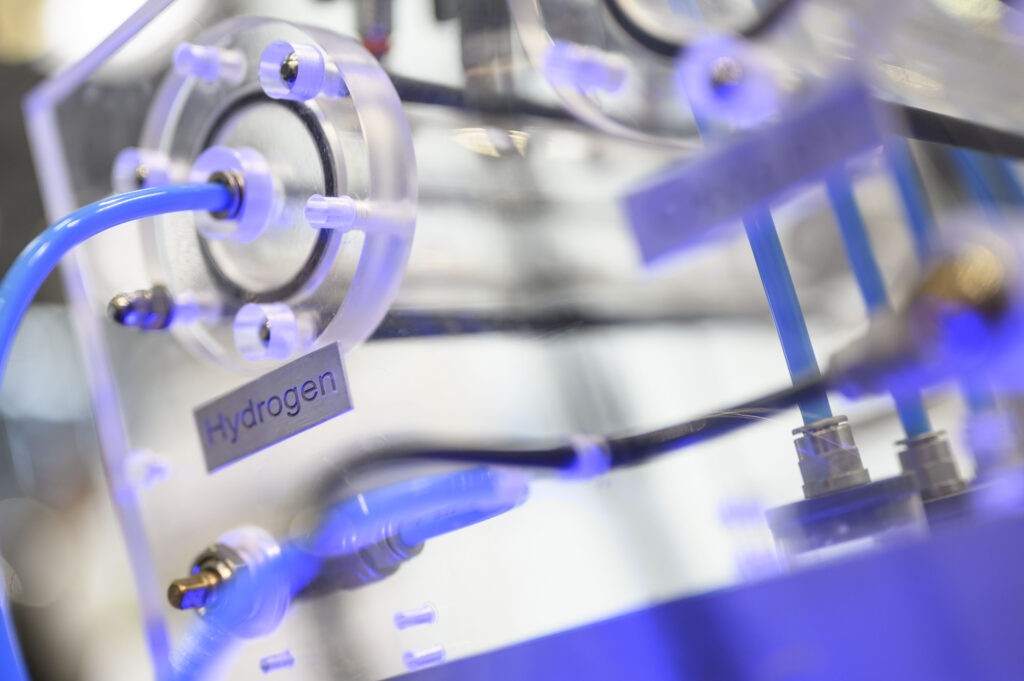
El proyecto Abadín integra una planta de electrólisis dentro de un complejo fotovoltaico de 51 hectáreas, con producción de hidrógeno a partir de agua subterránea, almacenamiento en origen y una configuración de 36.000 módulos bifaciales y 80 inversores.
Why it matters: Hydrogen is a grid-connection workaround for developers, not a profitable storage strategy for your average commercial PV installation.
The Hydrogen Distraction
Ansasol is betting big on the Abadín project in Cádiz, but let’s look past the press release gloss. Integrating a 15 MW electrolyzer with 20 MW of PV isn't just an energy transition milestone; it’s a desperate architectural response to grid congestion in Southern Spain. When you can’t get a grid access permit for a standard utility-scale farm, you pivot to 'green hydrogen' to keep the land option alive.
The Economic Reality Check
For the average developer or installer, this project is a cautionary tale of complexity creep. Here is the math you need to keep in mind:
While Hydron might secure subsidies under Spain's PERTE framework for renewable hydrogen, your local C&I project doesn't have that cushion. If your client is asking about hydrogen storage for their rooftop, tell them to buy a battery. A 20 MW PV plant coupled with storage provides actual grid services—frequency response, peak shaving—that pay today. Hydrogen is a five-year-away play for specialized industrial sites, not a solution for the typical 500kW to 5MW installation portfolio. Keep your focus on LCOE and storage dispatchability, not speculative molecules.