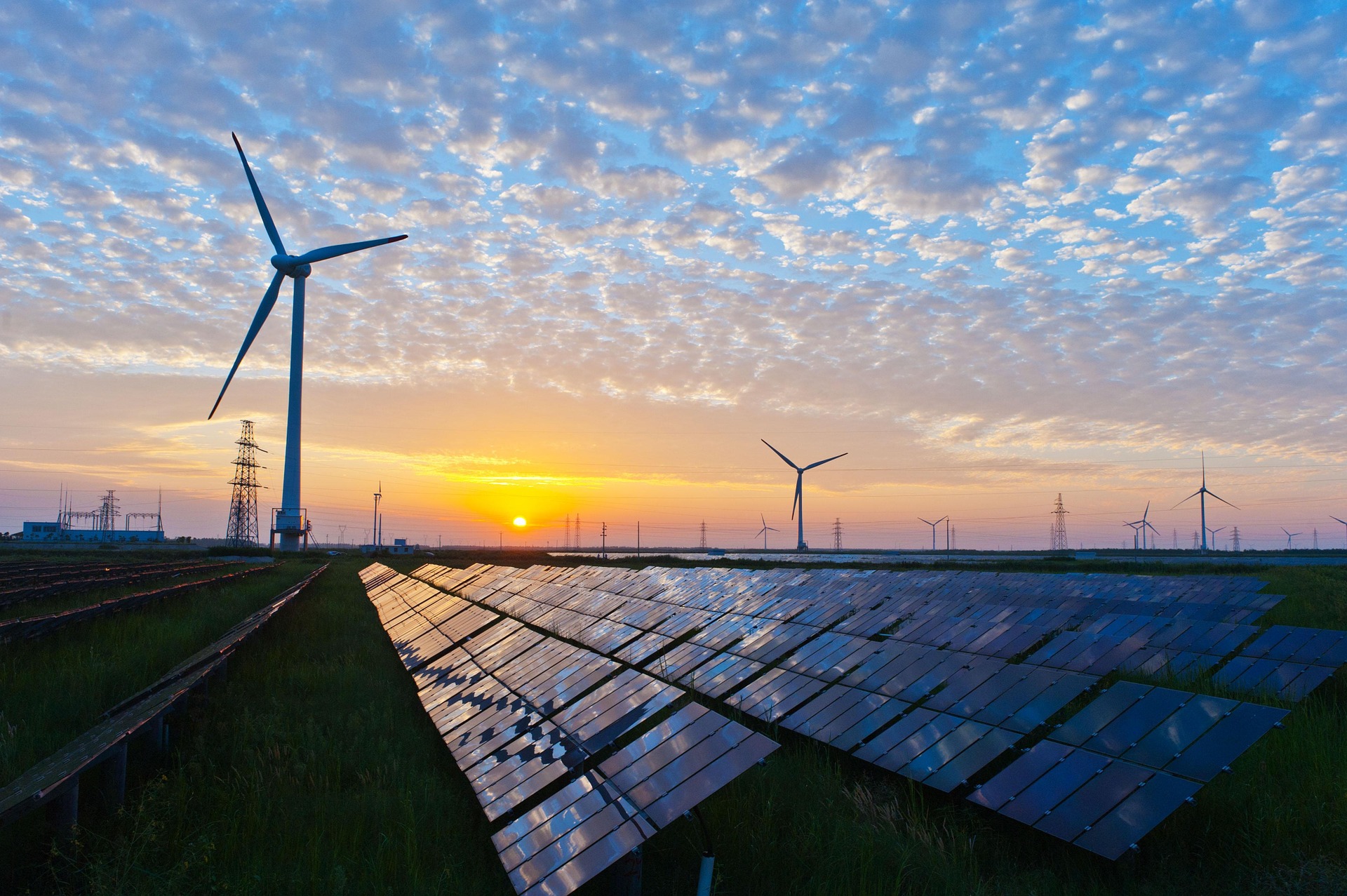
While overall energy demand grew by 1.3%, solar power led this increase, contributing over 25%.
Why it matters: Global solar growth is soaring, but grid saturation means residential-only installers are being left behind—pivot to C&I or get buried in curtailment.
The Disconnect Between Macro-Growth and Your P&L
The IEA is popping champagne over global solar growth, but if you’re an installer in Germany or the Netherlands, the 2025 reality feels like a hangover. While the IEA reports solar contributing 25% of global demand growth, that stat masks the brutal reality of local grid congestion and the 'duck curve' destroying your residential margins.
The Data Center Paradox
The report cites data centers and EVs as the primary demand drivers. This is the signal you need to pivot. When the IEA says 'electrification of the economy,' they aren't talking about another 5kW suburban rooftop. They are talking about industrial-scale load. If you are still relying exclusively on individual residential installs with standard string inverters, you are playing in a diminishing pool.
The IEA is looking at the global gigawatt-hours, but you need to look at the local distribution transformers. In areas like North Brabant, grids are saturated. Unless you are selling software-enabled flexibility or behind-the-meter storage, you aren't part of the 25% growth—you’re part of the grid's headache. Stop chasing the volume vanity metric and start chasing the firm capacity metric. The 'Age of Electricity' is here, but the 'Age of Easy Residential Installs' ended in 2023.