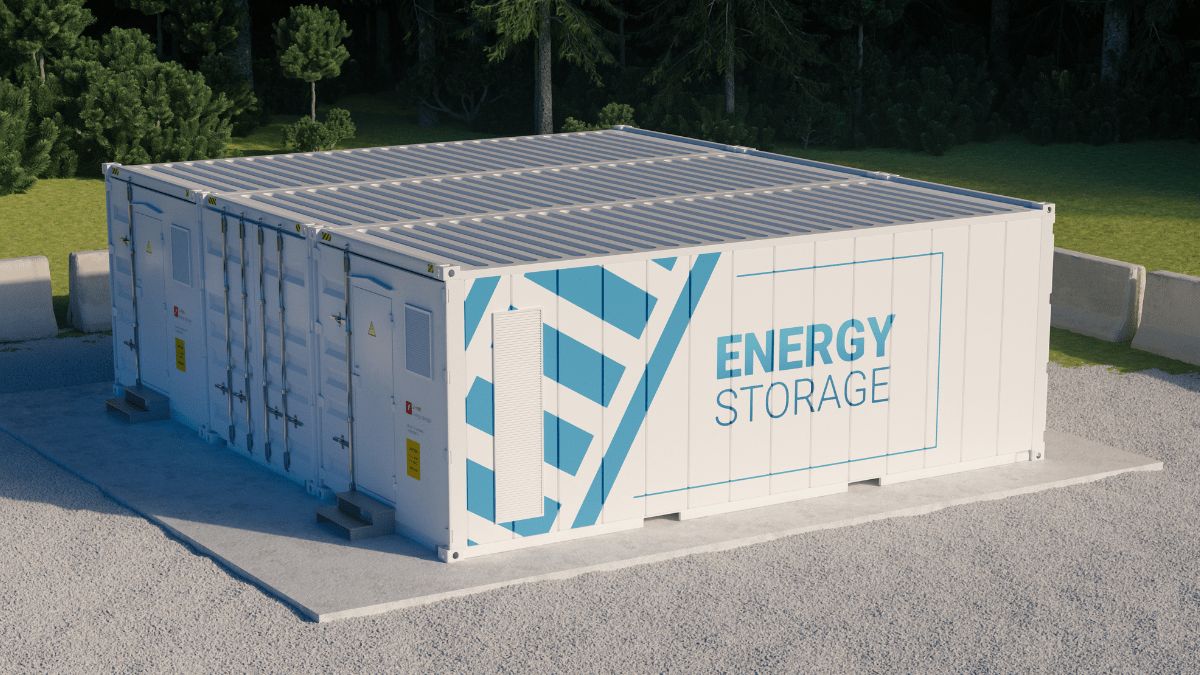
Pace Digitek Limited has secured a ₹4,945.4 million EPC contract with NTPC Limited to implement a 200 MW / 400 MWh Battery Energy Storage System at the Nabinagar Super Thermal Power Station in Bihar.
Why it matters: Utility-scale storage costs are hitting bottom-tier pricing; if your C&I battery strategy doesn't include revenue-stacking software, you're already behind.
The Math Behind the Headlines
At approximately ₹12.36 million per MWh—roughly €138,000 per MWh at current exchange rates—this NTPC contract isn't just news from Bihar; it's a cold shower for European integrators who think they can coast on 20% margins. NTPC is a behemoth, and they aren't paying a premium for innovation. They are paying for commodity-level execution.
Why You Should Care in Berlin or Madrid
If you are an installer in Europe, look at the scale: 400 MWh for a single project. The Indian market is rapidly moving toward utility-scale BESS, stripping out the 'specialist' premium that boutique European installers often rely on. When the Chinese Tier-1 battery giants—CATL, BYD, and EVE Energy—set their sights on the EU commercial and industrial (C&I) space with standardized 'all-in-one' containerized solutions, this is the pricing pressure you will face.
European developers need to stop treating storage as a 'value-add' to a PV sale and start viewing it as a separate asset class. If your current EPC partner can’t handle the complexities of BESS bankability, you’re not just missing out on revenue; you’re leaving your clients exposed to grid instability fees under the new EU Electricity Market Design regulations. Stop bidding on hardware, and start bidding on the ability to stabilize a volatile, renewable-heavy grid.