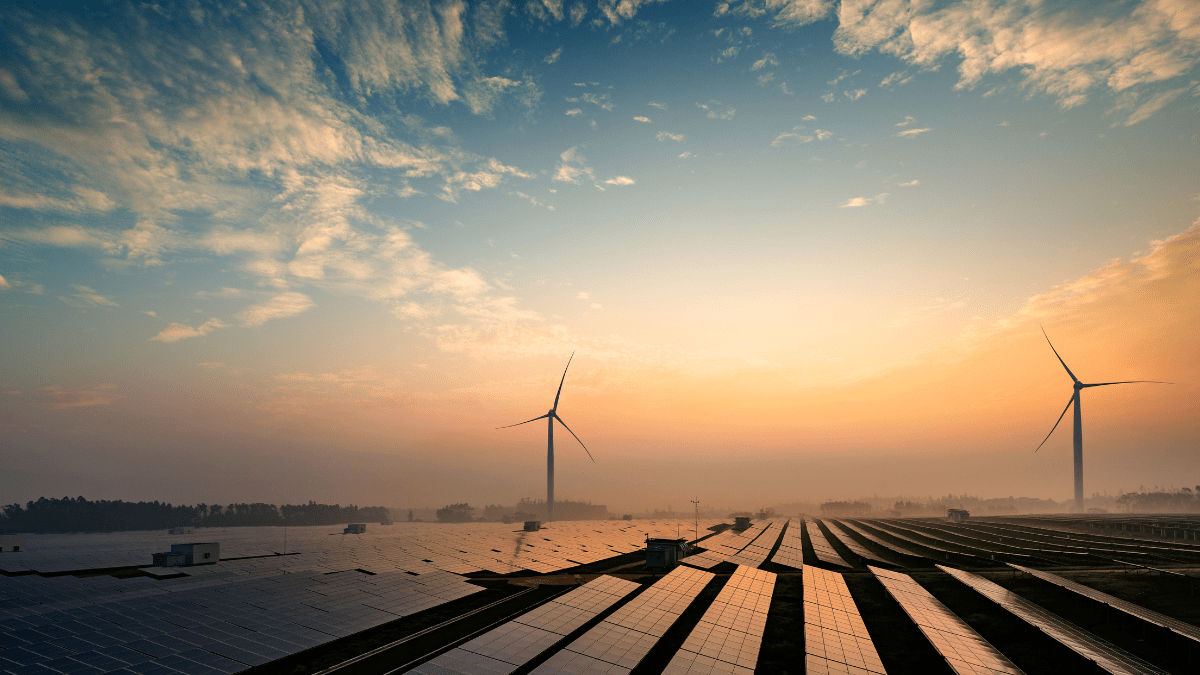
India’s renewable energy sector is rapidly expanding, now accounting for 41.75% of the installed power capacity by January 2026, with solar energy leading at 150 GW.
Why it matters: India’s massive capacity growth is a direct squeeze on global module and battery supply chains — secure your Q4 stock now or pay the premium later.
Don’t let the celebratory tone of these headlines fool you. While India hitting 150 GW of solar capacity is a massive feat for their grid, for a European installer or EPC, this is less of a 'climate milestone' and more of a supply chain signal. When a market the size of India starts consuming massive volumes of modules, balance-of-system components, and inverter capacity, the global order book tightens.
Why this isn't just 'over there'
We are currently seeing a global decoupling of manufacturing, yet the raw material dependency remains high. When India aggressively pursues its own domestic production quotas—much like the EU is attempting with the Net-Zero Industry Act—it creates a friction point in the procurement of high-efficiency N-type TOPCon modules. If you are ordering containers for a Q3 commercial project, you are now competing for capacity that is increasingly diverted to serve massive domestic mandates in India and China, not just the EU.
The real takeaway for your bottom line:
Stop thinking about these massive Asian capacity figures as 'global progress' and start seeing them as direct competitors for the components you need to build your next job. If your supplier isn't showing you a firm 6-month delivery guarantee, you're not managing project risk—you're gambling.