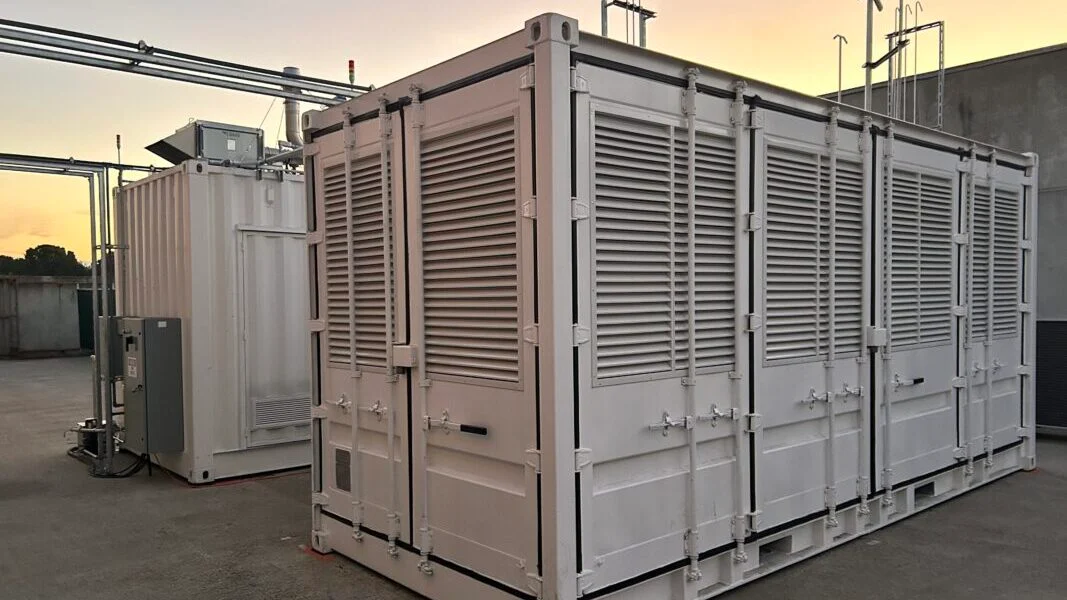
US ‘multi-day’ energy storage startup Noon Energy has announced an agreement with Meta to reserve up to 1GW/100GWh of long-duration energy storage (LDES) capacity.
Why it matters: Hyperscalers are signaling a move away from 2-hour lithium toward multi-day storage; if you're only selling standard BESS, you're missing the next market cycle.
The LDES Shift Is No Longer Theoretical
Let's cut through the hype: 100GWh is a staggering number. Even with the massive scale of hyperscalers like Meta, locking in this much capacity from a startup using Carbon-Oxygen battery technology (Noon's proprietary tech) signals that the industry is finally losing patience with the discharge limits of traditional Li-ion.
For the average European C&I installer, this is a wake-up call regarding the 'duck curve.' While we’ve been busy slapping 2-hour LFP battery stacks onto commercial rooftops, the big money is already pivoting to 100-hour storage. Why? Because when you’re dealing with the volatility of the EEX or EPEX SPOT markets, a 2-hour battery is just a glorified UPS. It saves you from peak grid charges, sure—but it doesn't allow you to arbitrage multi-day price troughs caused by high wind/solar penetration.
What This Means for Your Business Model
Don't expect Noon Energy to show up in your local wholesaler tomorrow. However, the regulatory push under the EU’s Electricity Market Design reform is making it easier to stack services. When LDES costs drop below the €150/kWh threshold, the current 'solar-plus-storage' cookie-cutter approach will be obsolete. Start building relationships with firms experimenting with flow batteries or thermal storage now—before the shift becomes common knowledge.