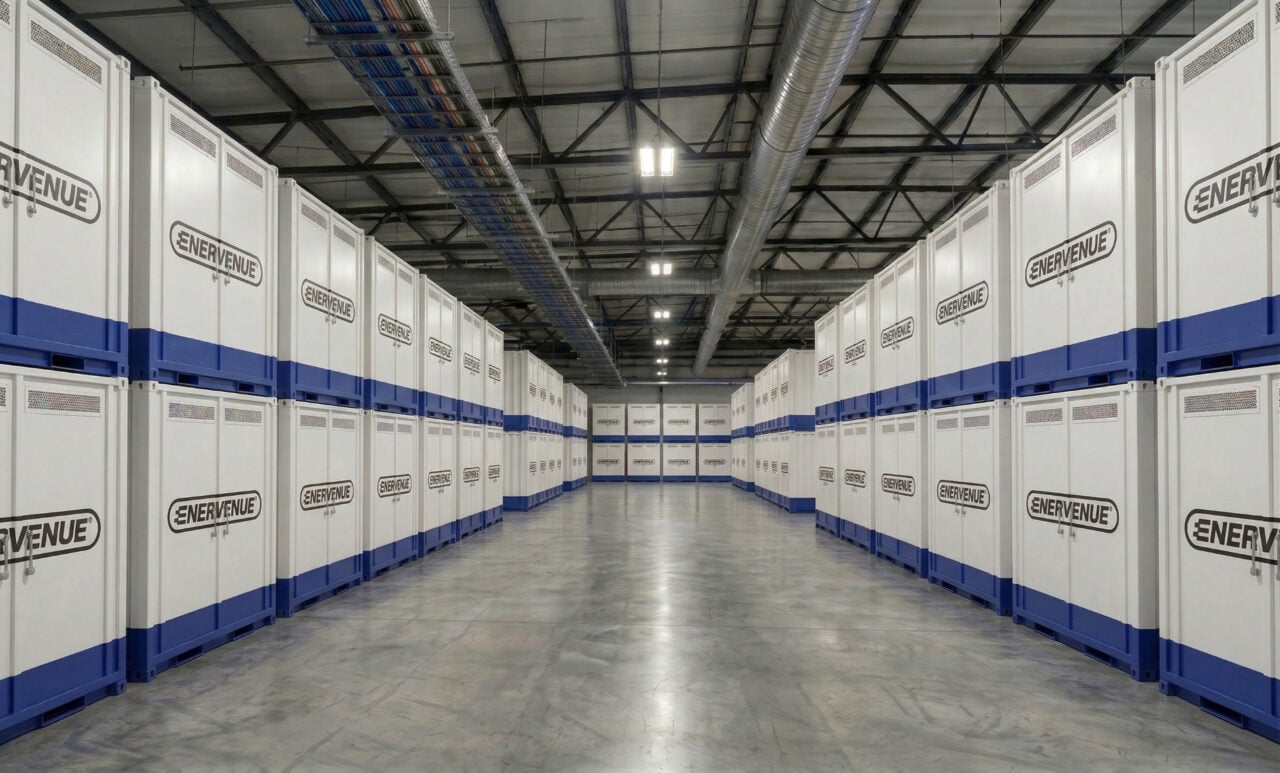
EnerVenue’s nickel-hydrogen technology is designed to be a long-duration energy storage (LDES) solution that can operate for 30,000 cycles without capacity degradation, with a focus on safety and thermal stability.
Why it matters: Don't pivot your supply chain for niche chemistries; stick to the LFP economies of scale that actually keep your project margins intact.
The Hype vs. The Installer Reality
Every time a new chemistry hits the press, I get calls from project developers asking if they should swap their BESS pipeline for something 'better.' Let’s be clear: Nickel-hydrogen is a solution looking for a problem that doesn't exist in the European C&I market.
EnerVenue is pushing the '30,000 cycles' narrative. That sounds fantastic if you’re building a multi-decade baseload plant in a remote desert. But for an installer in Bavaria or a developer in Tuscany, you aren't fighting cycle degradation—you're fighting LCOE and lead times.
If you're bidding for a 5MW/20MWh project, stick to LFP. The 'safety' benefits touted by nickel-hydrogen are being matched by the new LFP-based liquid cooling systems from companies like Sungrow and Huawei. Unless EnerVenue can prove their cost-per-cycle-delivered beats a standard 10-year warranty, high-cycle capacity is just a vanity metric. Don't let the 'infrastructure' marketing buzzwords distract you from the reality of your project's bankability and your firm's bottom line.