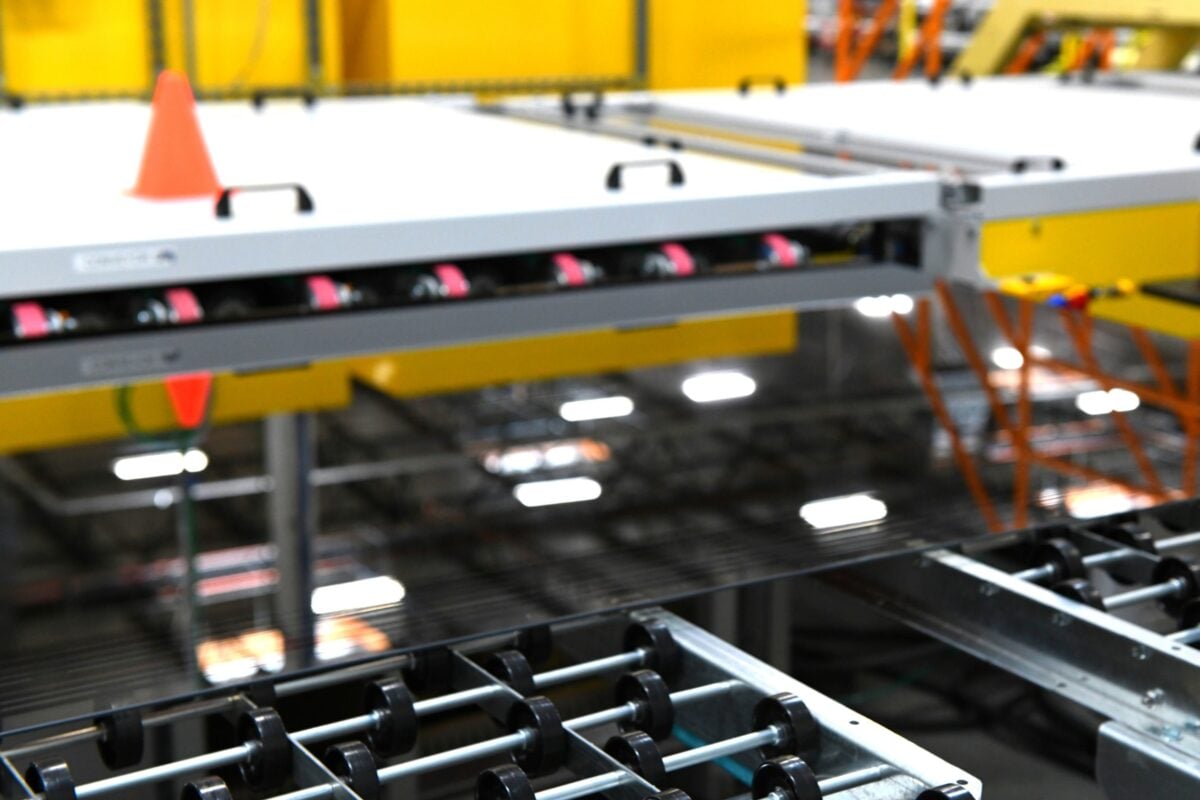
PV Tech Premium spoke with the CEOs of Caelux and Solx about the way their technology could be the one that brings perovskite technology to commercial reality.
Why it matters: Perovskite tandems are still years from a residential roof; keep betting on mature TOPCon tech to secure your margins and warranties.
Stop Waiting for the Miracle Film
Every year at Intersolar, someone tries to convince me that perovskites are 'just around the corner.' Solx and Caelux are the latest pair vying for the crown, aiming to commercialize tandem cells. Look, I want higher efficiency as much as the next guy, but let’s talk about the reality on the roof in Munich or Milan.
The Field Reality
As an installer, my inbox is already flooded with Tier-1 manufacturers pushing TOPCon modules with 22-23% efficiency at sub-€0.12/W prices. The economics of a residential or C&I project are currently driven by logistics, labor costs, and inverter compatibility—not squeezing an extra 1.5% out of the cell surface. Until a perovskite-silicon tandem module can survive a twenty-year warranty in the damp, freezing, or scorching conditions of the European climate, it remains a laboratory project, not a business strategy.
If you're a project developer, don't build your 2026 pipeline on the hope of 'miracle' perovskite efficiency. Stick to the proven bifacial N-type modules that are currently crushing the LCOE benchmarks. If Solx and Caelux actually crack the degradation issue, we’ll see it first in utility-scale pilot projects. Until then, treat this partnership as an interesting R&D footnote, not a reason to change your procurement strategy.