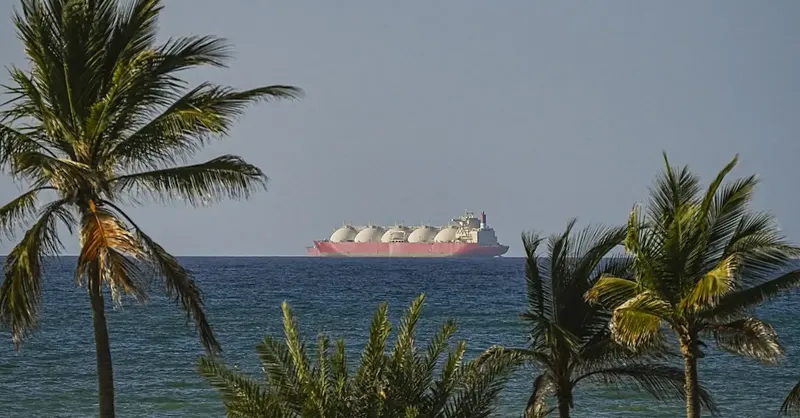
For the first time in modern history, both of the Middle East’s critical waterways — the Strait of Hormuz and the Red Sea — were effectively closed for the past several months.
Why it matters: Shipping costs are no longer a rounding error — expect a permanent, tax-driven premium on all imported Asian PV hardware.
The Hidden Tariff on Your Warehouse Inventory
If you think a global carbon tax on shipping is just a boardroom concern for Maersk or Hapag-Lloyd, you’re missing the line item on your Q4 invoice. When the IMO finally hammers out this levy, it isn’t the vessel operator eating that cost; it’s the guy buying containerized silicon from China who pays the bill. We’ve seen this pattern before: every time global freight faces a 'green' or 'security' surcharge, installers see a direct hit to their margins on panels and mounting hardware.
Why This Isn't Just 'Green' Noise
The shipping crisis in the Red Sea has already forced vessels to reroute around the Cape of Good Hope, adding 10–14 days to transit times. This isn't just a delay; it’s a massive increase in fuel consumption and CO2 output per module. A global carbon tax will codify these costs into the base price of every pallet of Jinko or Trina modules landing in Rotterdam or Hamburg.
Stop looking at FOB prices and start calculating the delivered, taxed, and delayed cost of your hardware. If your procurement strategy is still 'buy the lowest unit price from the cheapest port,' you’re going to be the one explaining to your C&I clients why their 500kW rooftop project is suddenly 15% over budget in 2025.