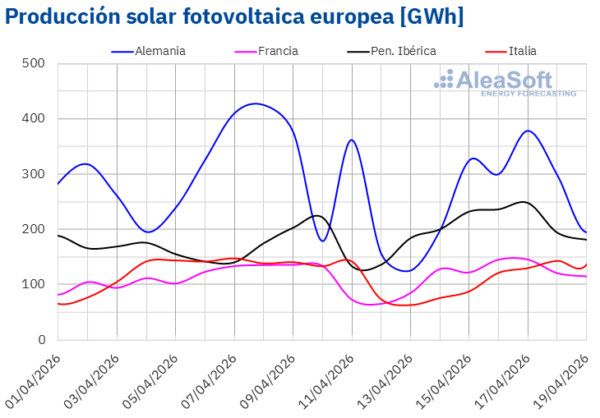
La demanda creció y la producción eólica disminuyó, mientras la fotovoltaica marcó récords para un día de abril en España, Francia y Portugal. Los futuros de gas TTF descendieron hasta su nivel más bajo desde febrero.
Why it matters: Record solar output is driving spot prices lower, making standalone PV projects increasingly reliant on storage for basic ROI.
The Canary in the Coal Mine
We are witnessing a classic decoupling, and it’s a trap for the unprepared. While PV is hitting record peaks across the Iberian Peninsula and France, the market is effectively punishing its own success. When solar output spikes, spot prices crater. If your PPA strategy or C&I client’s ROI projections rely on historical wholesale averages, you’re already behind the curve.
Why the Gas Price Drop is a Headfake
The TTF gas futures hitting February lows might look like a reprieve for energy costs, but for the average installer, it’s a double-edged sword. Lower gas prices compress the spark spread, which directly impacts the arbitrage value of the BESS systems you’re trying to upsell. If you’re pitching a client on a 500kWh system based on high peak-shaving savings, you need to recalibrate those numbers against current TTF trends.
The market is sending a signal: volume is no longer the metric of success; load-matching is. If you’re still selling bulk PV without a sophisticated storage or demand-side management component, you’re just installing a liability that will eventually become a grid-management headache for your clients.