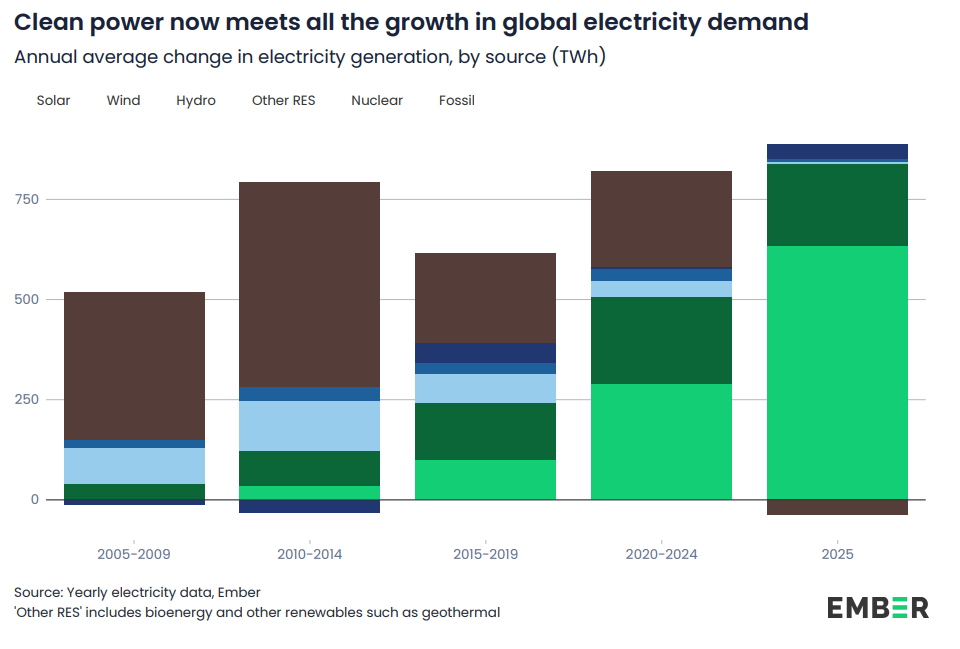
According to Ember's Global Electricity Review 2026, renewables accounted for 33.8% of global power generation in 2025.
Why it matters: Grid saturation means pure solar projects are losing profitability; you must pivot to storage and EMS or lose your C&I clients to smarter competitors.
The Danger of the 'Easy' Growth Phase
So, solar covered 75% of new demand growth in 2025. Pop the champagne? Not quite. For the European installer, this stat is a double-edged sword. While it confirms the unstoppable momentum of the energy transition, it masks a brutal reality: the low-hanging fruit of simple grid-tied solar is being picked clean.
When solar saturates the market to this degree, we hit the 'duck curve' wall in real-time. In Germany, we’ve seen midday spot prices go negative for over 300 hours in a single year. If your business model is still built solely on 'sell the panels and walk away,' your clients are about to wake up to a massive ROI gap.
The Pivot You Need to Make
The Ember report confirms the macro shift, but don't mistake a rising tide for a successful business strategy. If you aren't helping your client hedge against negative pricing or grid congestion, you're just a commodity vendor. Start acting like an energy manager, or get ready to be commoditized out of the market by the next big utility-scale aggregator.