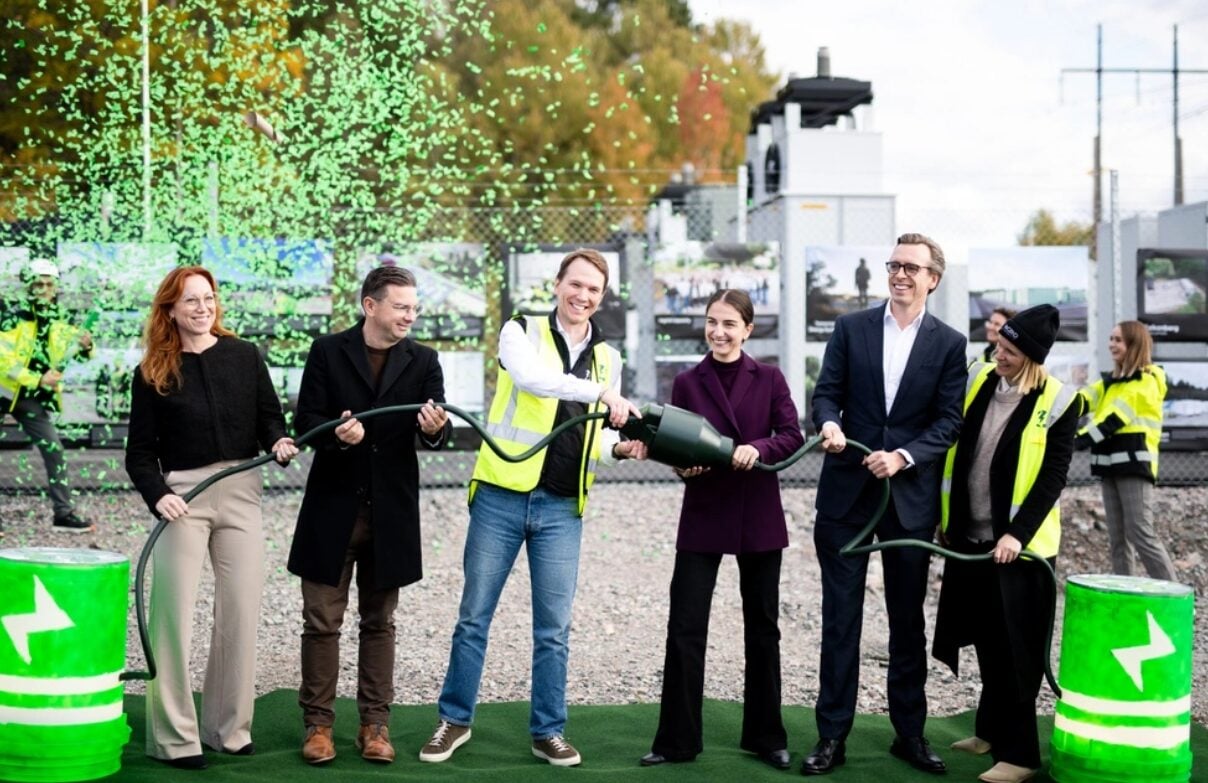
Ingrid Capacity has received construction permits for two projects in Sweden's SE4 electricity region which it said could start construction as early as this year.
Why it matters: Short-duration BESS is becoming a legacy product; start pitching 4-hour storage or risk being priced out of the arbitrage market.
The duration arms race has arrived
For years, the European BESS market was obsessed with sub-1-hour systems, optimized purely for Frequency Containment Reserve (FCR). If you were an installer or developer in Germany or Scandinavia, your model was simple: fast response, low capacity. Ingrid Capacity’s move to a 4-hour system in SE4 isn't just about 'more batteries'—it's a fundamental shift in revenue strategy. They are moving away from ancillary services and into deep energy arbitrage.
Why SE4 is the bellwether
The SE4 bidding zone is effectively the copper neck of the Nordic grid. With high volatility and a growing reliance on intermittent wind, the price spreads between peak and off-peak are becoming extreme. By moving to 4-hour discharge, Ingrid is positioning itself to capture the full day-ahead spread, not just the fleeting, high-frequency spikes. If you are still pitching 1-hour systems to C&I clients in the DACH or Nordic regions, you’re missing the market shift.
The industry is moving toward longer durations. If you aren't talking to your suppliers about 4-hour hardware availability now, you’ll be stuck selling yesterday’s tech while the big players like Ingrid build the infrastructure that will dictate pricing for the next decade.