← All news

Vietnam’s Grid Woes Are A Mirror For Europe’s Own Transmission Lag

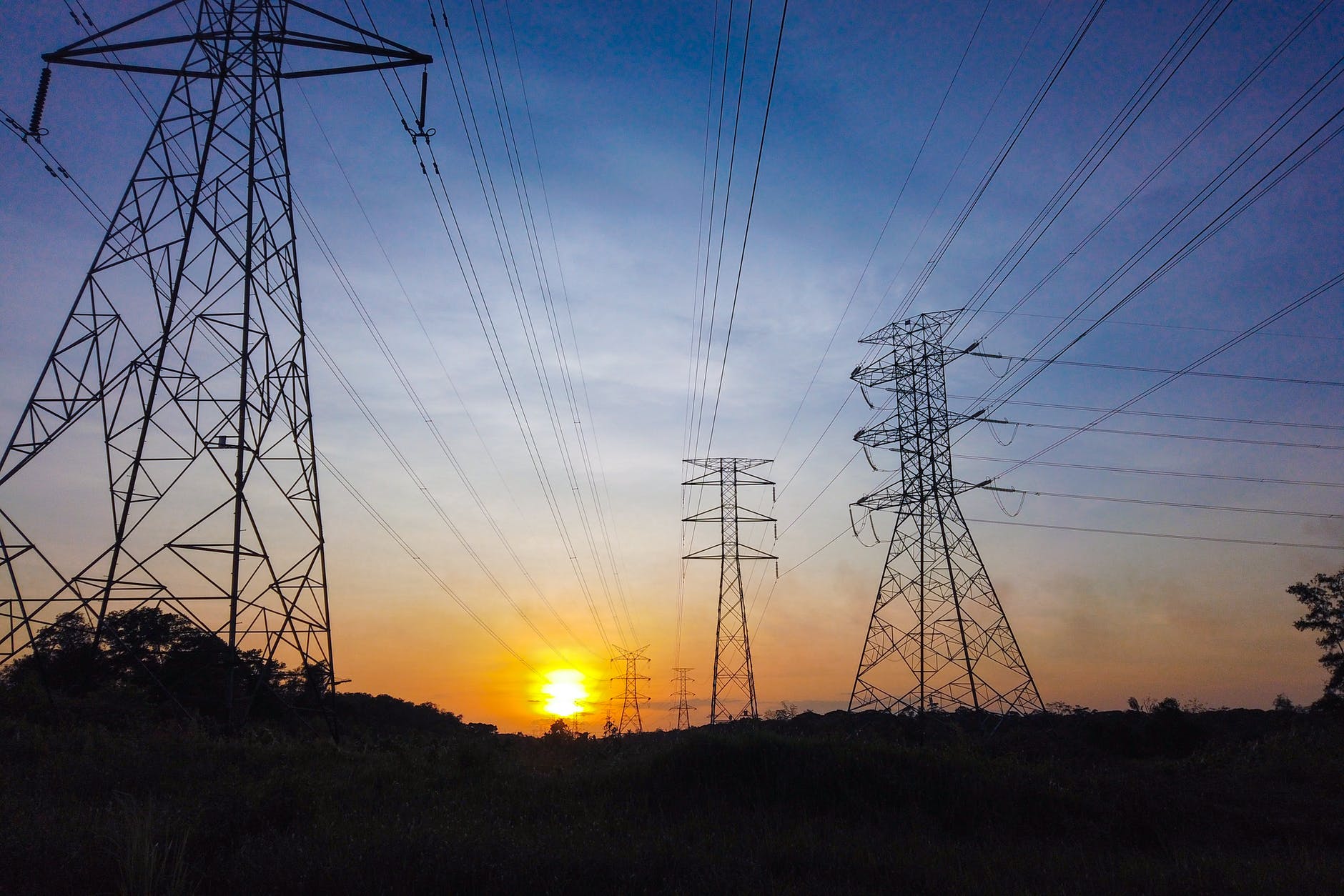
A rural landscape featuring high-voltage electrical transmission towers and power lines across hilly terrain.
Grid infrastructure bottlenecks are a global issue, not just a regional one.
Challenges in land clearance and investment procedures were also addressed.

Why you should care about a province in Northern Vietnam

Let’s be honest: Unless you are an EPC firm bidding on massive utility-scale tenders in Southeast Asia, this news is noise. However, the symptoms described in Son La are identical to the bottleneck plague hitting every EU member state. When the Vietnamese Ministry of Industry and Trade (MOIT) cites "land clearance and investment procedures" as the primary friction points for grid expansion, they are reading from the exact same script used by TenneT in the Netherlands or Amprion in Germany.

The takeaway for European pros:

  • The Permitting Trap: Even with ambitious targets like 9,300 MW, paper capacity means nothing without the 220 kV lines to evacuate it. If you’re a developer, stop counting your ROI based on projected P50 yields and start discounting projects based on the actual wait time for grid connection studies.
  • Infrastructure as the Kingmaker: In Germany, the Netzausbaubeschleunigungsgesetz (NABEG) is trying to do what Vietnam is attempting with Son La—forcing grid acceleration. But the reality for the installer on the ground? Until the local distribution level is upgraded, your client's C&I solar project will continue to face curtailment or connection refusal.
  • Supply Chain Contagion: When emerging markets pivot hard toward grid infrastructure, expect a tightening in the supply of high-voltage transformers and switchgear. Global manufacturers like Siemens Energy and Schneider Electric are already prioritizing high-margin grid-stabilization hardware. If you think getting an inverter is hard, wait until you can't source the medium-voltage components needed to finish your next 5MW park because the inventory is being redirected to "accelerated" grid zones.

Vietnam is just the latest reminder that while the module market is currently drowning in surplus, the grid-enabling hardware market is entering a multi-year period of chronic scarcity. Plan your procurement accordingly.

Why it matters: Grid connection isn't just a Vietnam problem; it's the bottleneck killing your project pipeline. If the grid isn't ready, your hardware inventory is just expensive paperweight.
📰 Read original article at SolarQuarter →