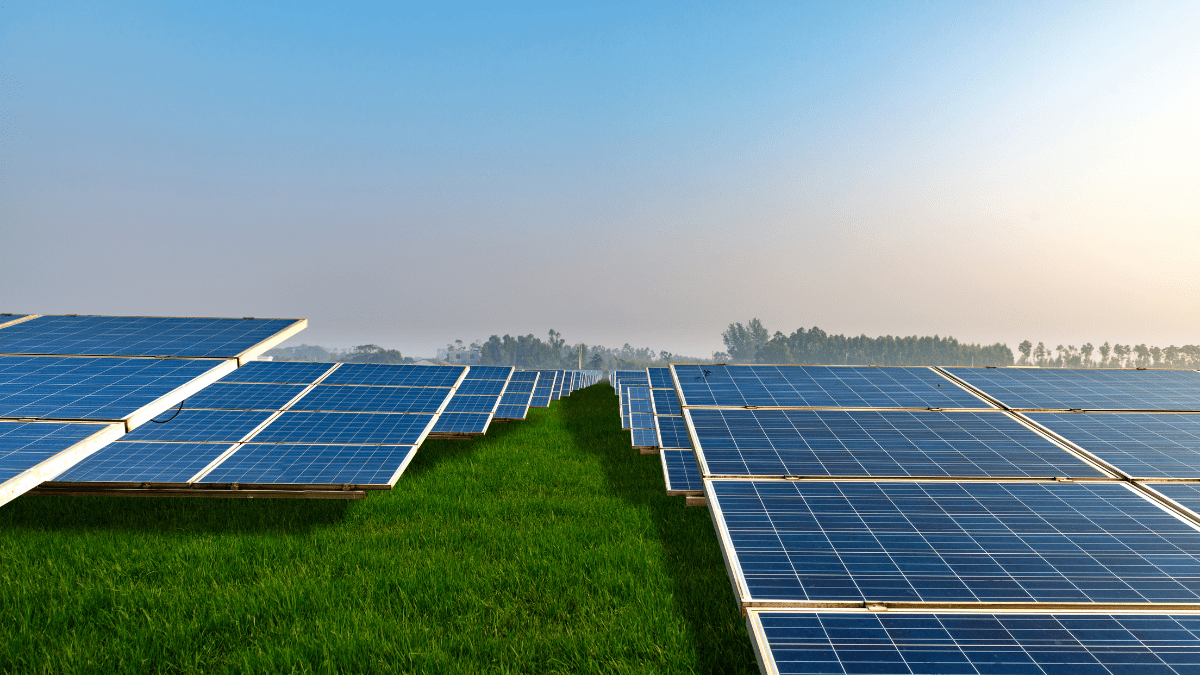
SAEL Industries has commissioned 600 MW of solar power capacity in Andhra Pradesh, comprising two 300 MW projects. Developed under a 25-year Power Purchase Agreement, the installations utilize over 1.2 million domestically manufactured solar modules.
Why it matters: Global module prices are artificially low; protectionism is coming, and your current procurement strategy is built on a house of cards.
The Price Floor Illusion
Another day, another 600MW headline out of India. While the scale is impressive, the real story here for a European installer isn't the gigawatts—it’s the supply chain isolationism. By bragging about using 'domestically manufactured' modules, SAEL Industries is highlighting the reality of the Indian market: it’s effectively closed to the Tier-1 Chinese giants that keep European project margins afloat.
Why This Matters for Your P&L
If you think global module prices will drop indefinitely, look at India’s ALMM (Approved List of Models and Manufacturers). They’ve essentially decoupled their domestic pricing from the global spot market. For an installer in Germany or the Netherlands, this is a warning sign. While domestic manufacturing in Europe is currently a slow-motion car crash, India is showing us the alternative: high-tariff, protectionist environments that keep CAPEX artificially inflated.
SAEL's 25-year PPA structure is the gold standard for long-term stability, but let's be honest: in the EU, we’re still fighting to get bankability on 10-year merchant tail projects. A 600MW project in Andhra Pradesh is a government-backed monolith; your next 2MW C&I project in Italy is a regulatory nightmare of grid connection delays and DNO bureaucracy. Don't mistake their scale for your reality. Focus on your local DNO relationships, not the headline-grabbing gigawatts in South Asia.