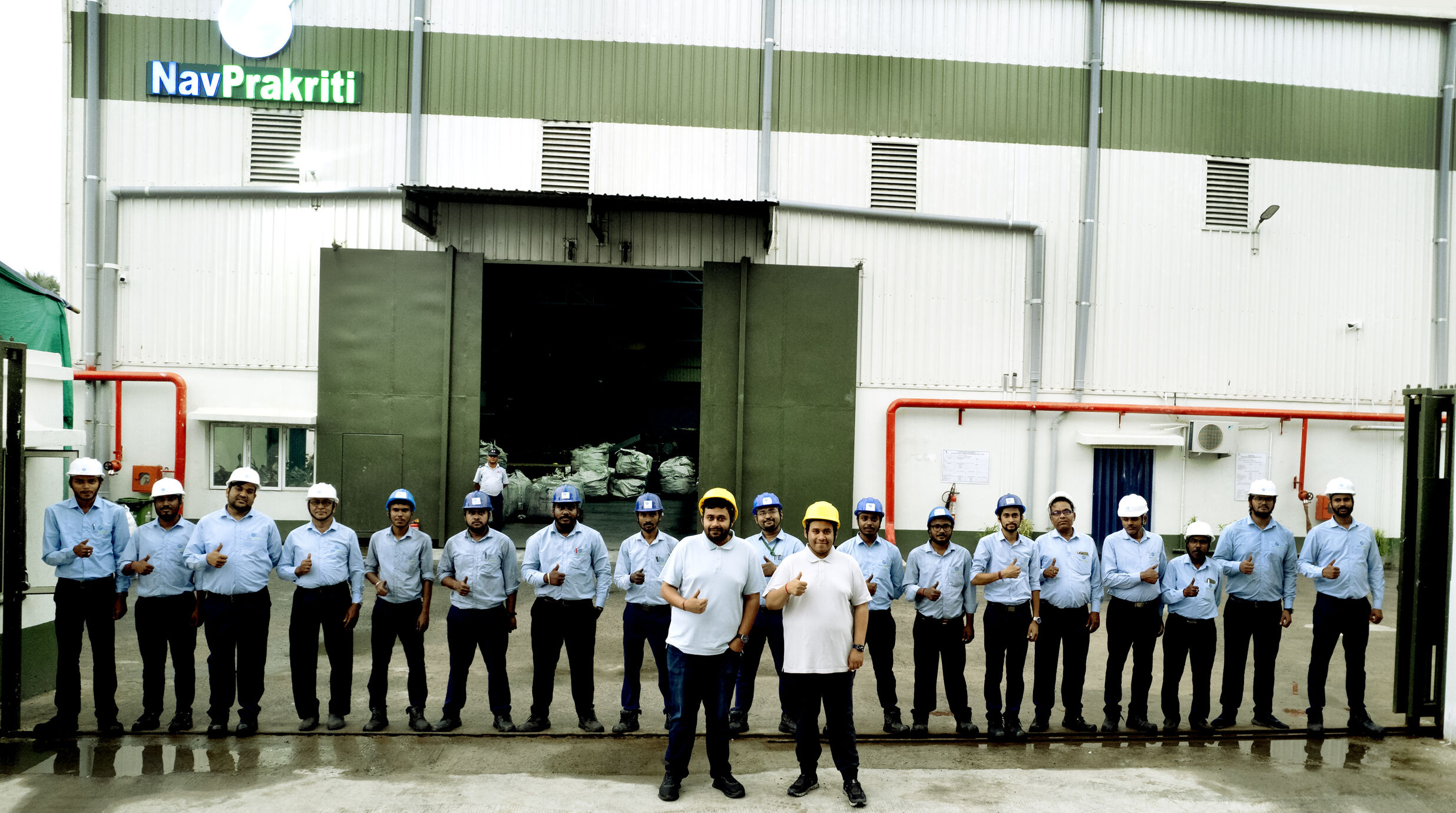
NavPrakriti, a lithium-ion battery recycling company in eastern India, plans to invest over ₹100 crore in a new refining facility in Odisha, operational by FY 2028-29.
Why it matters: Battery recycling isn't just an ESG checkbox; it's your hedge against the next supply chain price spike. Start tracking the cost of secondary raw materials now.
The €11 Million Signal
At current exchange rates, ₹100 crore is roughly €11 million. In the world of industrial-scale refining, that’s not a massive capital expenditure—it’s a lean, targeted bet on vertical integration. While the EU is busy debating the finer points of the Battery Regulation (EU) 2023/1783 and navigating the bureaucratic labyrinth of 'Strategic Autonomy,' players in emerging markets are already building the infrastructure to close the loop.
Why You Should Care
You might be thinking: 'What does a recycling plant in Odisha have to do with my residential solar business in Bavaria or my C&I EPC firm in Spain?' The answer lies in the supply chain fragility that nearly derailed our sector in 2022.
We are entering a phase where the installer who understands the lifecycle of the hardware they sell will hold the power. Soon, your clients won't just ask about the 10-year yield guarantee; they will ask about the carbon footprint of your battery supply chain and its decommissioning roadmap. If European firms don't start backing or partnering with local recycling hubs, we’ll be paying a massive premium for the very circularity we claim to value. Don't view this as a 'foreign' story. View it as a blueprint for the only way to avoid the next supply crunch.