Additionally, it has started a solar module production line to enhance its EPC capabilities and vertical integration in India's renewable energy sector.
Why it matters: The 'pure-play EPC' model is dying; vertical integration is the only way to protect margins against global supply volatility.
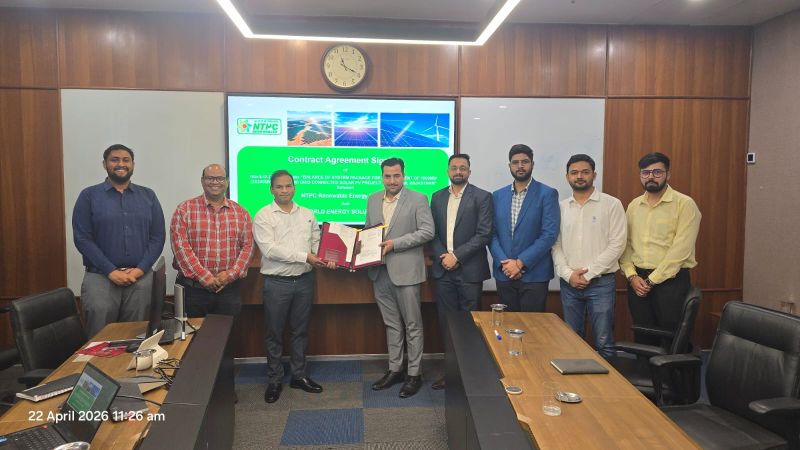
First, let’s clear the air: this is not the ghost of Frank Asbeck’s German empire. This is Solarworld Energy Solutions Limited, an Indian powerhouse that is currently doing exactly what European manufacturers failed to do a decade ago—marrying massive EPC scale with in-house production under a protective policy umbrella. Securing a 200 MW project for NTPC Renewable Energy in Bikaner isn't just another contract; it’s a signal that the 'EPC+' model is the new global benchmark for utility-scale survival.
The Margin Trap
For the average European installer or developer, the current market is a race to the bottom. You are a price-taker, at the mercy of the PV Exchange spot prices and the logistical whims of the Big Five Chinese manufacturers. In contrast, this Indian firm is hitting a 1.5 GW milestone while simultaneously firing up its own module lines. By controlling the bill of materials for a 200 MW site in Rajasthan, they aren't just saving on the 40% Basic Customs Duty (BCD) India imposes on imports; they are capturing the manufacturer's margin that European EPCs habitually give away to Jinko or LONGi.
A Blueprint for the NZIA?
We are seeing a mirror image of what the EU's Net-Zero Industry Act (NZIA) aspires to be, but with actual teeth. India’s ALMM (Approved List of Models and Manufacturers) acts as a gatekeeper that forces developers to buy local. While EU installers often complain that local content requirements raise CAPEX, players like Solarworld India prove that scale can mitigate those costs. If you are a developer in Spain or Poland, you should be watching this vertical integration closely. The 'pure-play EPC' is becoming a high-risk, low-reward venture. The future belongs to those who own the supply chain or, at the very least, have locked-in equity stakes in the production lines that feed their projects.
If European firms don't find a way to replicate this synergy—perhaps through regional procurement consortia—they will remain vulnerable to the next supply chain shock. A 200 MW project at today’s interest rates leaves no room for middleman markups.