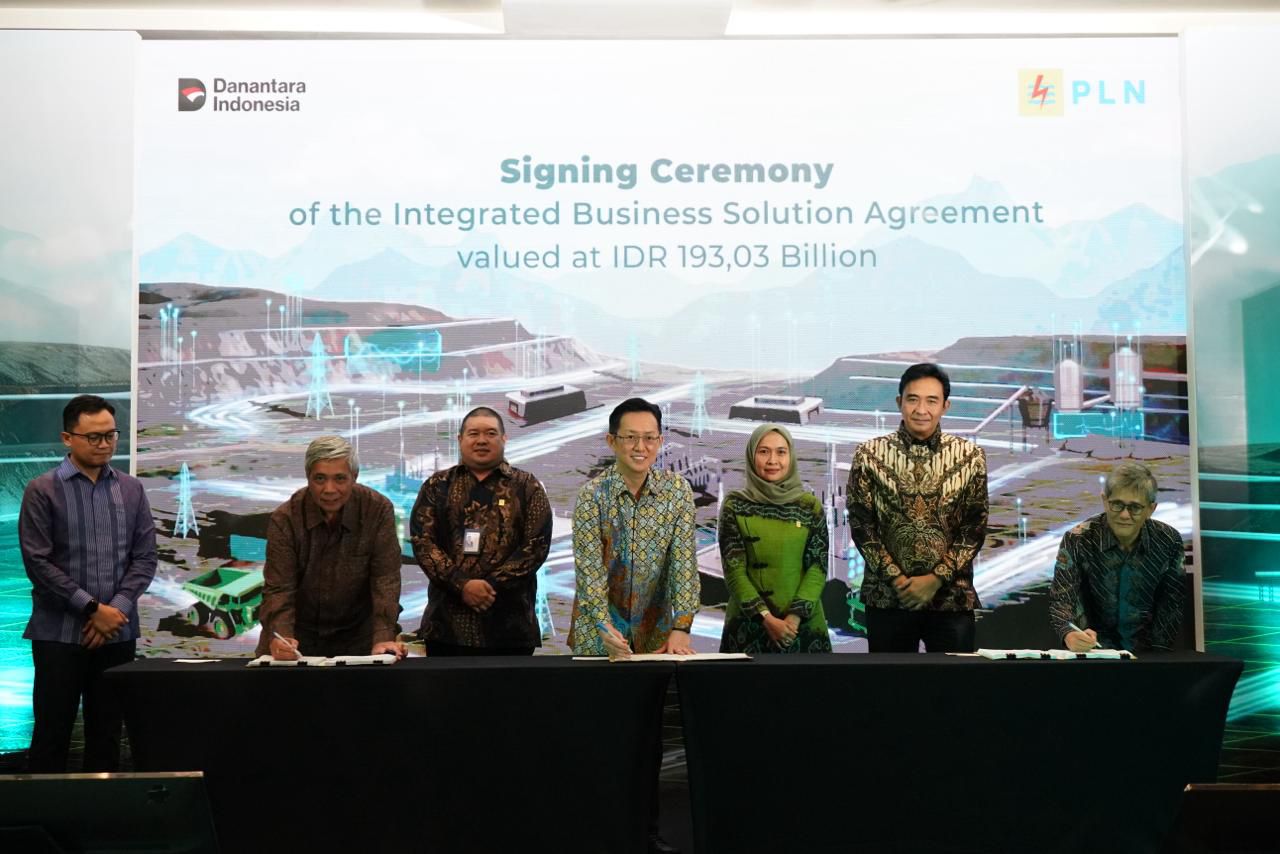
PT PLN (Persero) is transforming Indonesia’s mining sector by promoting green electricity and sustainable practices through partnerships with coal producers.
Why it matters: The carbon footprint of the aluminum in your solar frames and the nickel in your BESS is about to become a major pricing factor under EU carbon tax laws.
The Irony of 'Green' Coal
On the surface, PT PLN’s push to provide "green electricity" to coal miners sounds like a PR stunt from a satire magazine. Why decarbonize the extraction of the world's dirtiest fuel? But for the European solar professional, this isn't about the coal—it’s about the infrastructure blueprint and the looming shadow of the EU’s Carbon Border Adjustment Mechanism (CBAM).
The Margin Play: CBAM is the Catalyst
Beginning in 2026, the EU will fully implement carbon taxes on imported aluminum, steel, and electricity. Indonesia is a massive player in the raw materials we use every day—specifically the nickel used in NCM battery chemistries and the aluminum used in module frames and mounting rails. If PLN doesn't aggressively electrify these mines with renewables, the 'embedded carbon' in those materials will make Indonesian exports uncompetitive in the European market. When your module supplier switches to a new frame manufacturer because of a 15% price hike, this news is the reason why.
Practical Signal: The C&I Blueprint
The use of Power Purchase Agreements (PJBTL) for mining electrification is a trend we are seeing from the Pilbara in Australia to the Copperbelt in Africa. For developers, these aren't just utility contracts; they are massive C&I (Commercial & Industrial) opportunities. Mining operations require high-reliability power. If PLN is signing these deals, it means they are likely looking for large-scale solar + BESS hybrids to firm up the grid at the edge where these mines operate.
Ultimately, this isn't about saving the planet through cleaner coal extraction; it's about securing the supply chain against European regulation. If you aren't tracking the carbon intensity of your tier-2 suppliers, you’re flying blind into a regulatory storm.