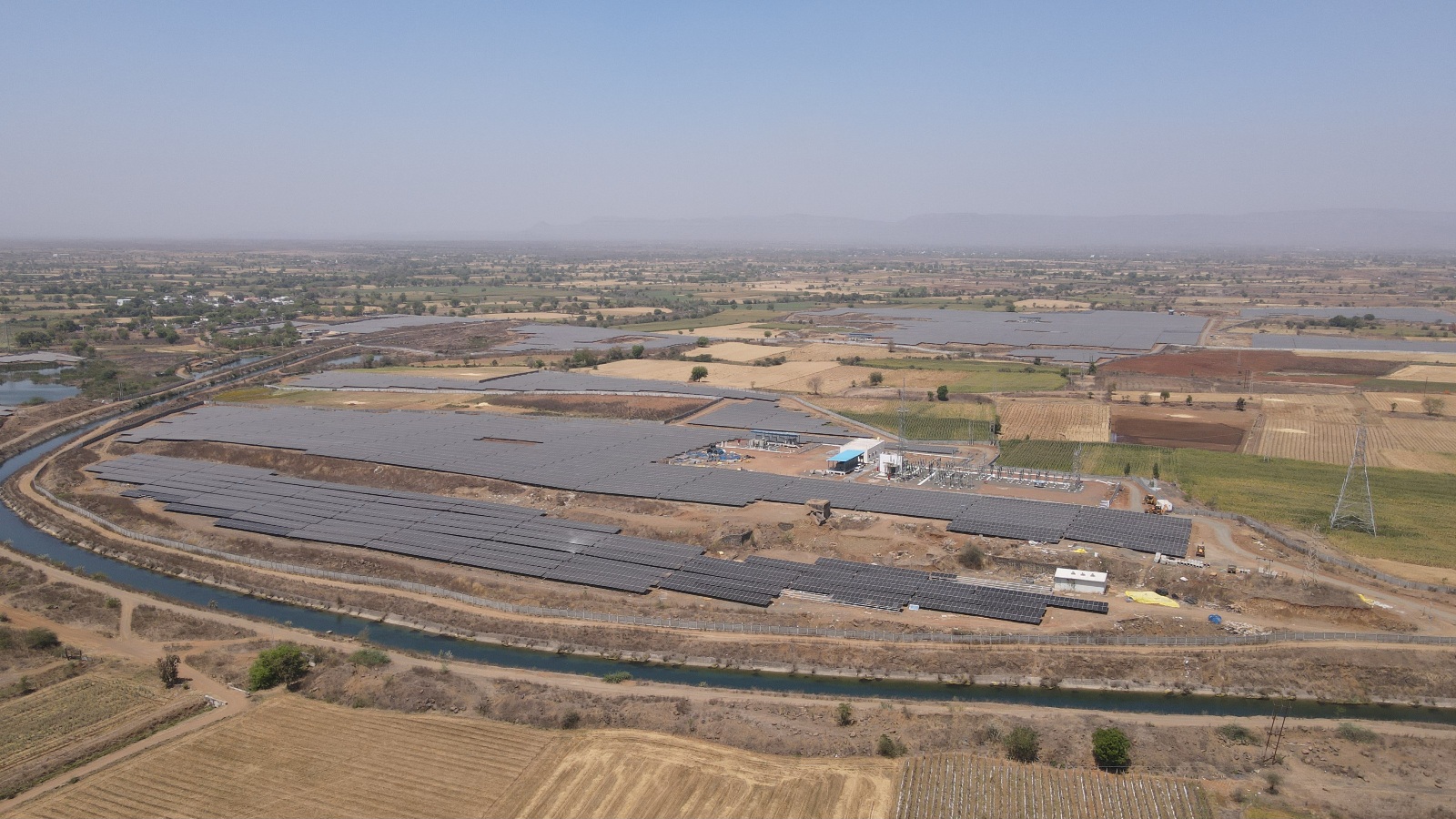
Indore, recognized for its cleanliness, is now advancing as a leader in green energy with a new 60 MW solar power plant at Jalud.
Why it matters: Municipal water pumping is a massive, predictable energy sink; targeting these utilities with purpose-built solar is the highest-margin move for mid-scale EU developers today.
The Energy-Water Nexus Is the Next Big C&I Play
While the headlines focus on Indore's "green benchmark," the real story for a European developer isn't the 60MW capacity—it's the end-user profile. The Jalud plant is specifically designed to offset the massive electricity costs of pumping water to the city. In Europe, water and wastewater treatment plants represent roughly 3% of total electricity consumption. In Germany alone, municipal water utilities consume around 4,400 GWh annually. As energy prices remain volatile, these utilities are no longer looking for 'green' branding; they are looking for OpEx insurance.
Why This Matters for Your Next Municipal Bid
If you are an installer in Spain, Italy, or southern France, you should be salivating over the municipal water board market. Here is the market signal: Indore funded this through India’s first municipal green bond, which was oversubscribed nearly six times. We are seeing a parallel trend in the EU with the EU Green Bond Standard (EU GBS). Municipalities now have access to cheaper capital specifically for projects that decarbonize essential services.
The days of easy residential solar are cooling off. The real margin is in these complex, municipal infrastructure projects where you aren't just an installer, but a strategic partner in city financial planning.