The decision came after the companies cited changing market conditions and uncertainty in power demand.
Why it matters: If your PPA isn't flexible, a savvy client will find a regulatory loophole to kill it the moment market prices drop.
The decision came after the companies cited changing market conditions and uncertainty in power demand.
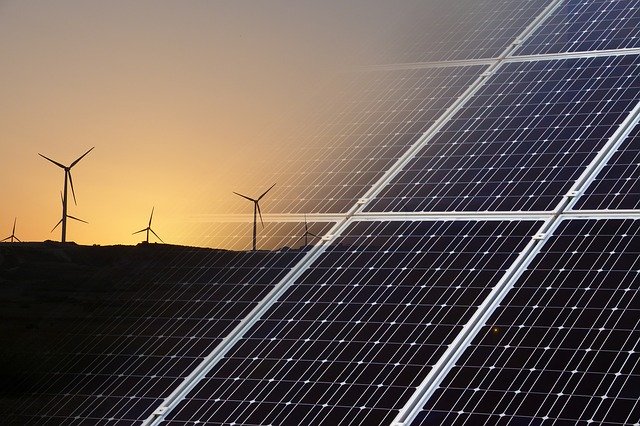
A 60 MW hybrid project in Maharashtra just hit the shredder, and while the geography says India, the warning signs are universal. Three developers realized they were about to lock themselves into a tariff that no longer reflected reality. When market conditions shift—whether it’s the cost of hardware dropping or grid demand fluctuating—a rigid PPA becomes a suicide pact.
The PPA Trap: When Long-Term Becomes Too Long
In Europe, we’re seeing a similar tension. Look at the German innovation tenders or the shifting LCOE for hybrid projects in Spain. If you’re pitching a 15-year PPA to a C&I client in the Ruhr valley or outside Warsaw, you aren’t just competing with other installers; you’re competing with the client’s fear of being overcharged three years from now. The Maharashtra Electricity Regulatory Commission (MERC) case proves that regulators are increasingly willing to let developers walk away rather than force consumers to eat "expensive" green energy.
Why hybrid complexity is a double-edged sword:For European developers, the lesson is clear: Build in flexibility. Whether it's through price reopeners or shorter tenors, the era of the "set it and forget it" 20-year PPA is dying. If you don't account for the downside of a falling market, your project will end up just like this one—withdrawn and dead in the water.