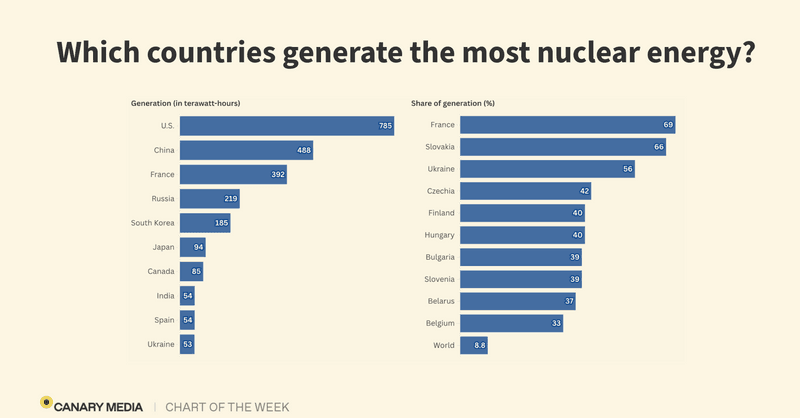
Nuclear energy is experiencing a global resurgence. In the U.S. and Europe, a long-wary public has started to warm once again to the sector.
Why it matters: Nuclear's long lead times and astronomical costs are your best selling points for the immediate ROI of solar and storage.
Every time a headline screams about a 'nuclear resurgence,' I see installers start to sweat about long-term baseload competition. Stop it. For the European PV professional, nuclear isn’t a competitor; it’s a cautionary tale of uncontrolled CAPEX and missed deadlines that actually reinforces the value proposition of solar-plus-storage.
The Reality of the 'Resurgence'
While public sentiment might be warming, the balance sheets are still freezing. Look at the numbers that matter. EDF’s Hinkley Point C in the UK is now staring down a price tag of up to £35 billion with a completion date potentially slipping into 2031. Compare that to the deployment speed of a 50MW utility-scale solar farm in Spain or Poland, which can go from shovel-ready to grid-connected in 18 months. When a client asks if nuclear will make solar redundant, remind them that you can’t build a nuclear plant to hedge against 2026 power price volatility, but you can install a 1MW C&I rooftop system by Q4.
The Baseload Myth vs. Flexibility
The real 'market signal' here isn't that nuclear is winning; it's that the grid is desperate for carbon-free electrons. However, the old-school 'baseload' model is dying. Modern European grids need flexibility. A nuclear plant is a giant, inflexible thermal block. In contrast, the combination of PV and BESS (Battery Energy Storage Systems) offers frequency regulation and peak shaving that a reactor simply can't touch without massive mechanical stress.
Don't be distracted by the political theater in Taiwan or the US. In the EU, the 'Nuclear vs. Renewables' debate is a lobbyist’s game. Your job is to point out that by the time any 'resurgent' reactor actually splits an atom, your current project will have already paid for itself twice over.