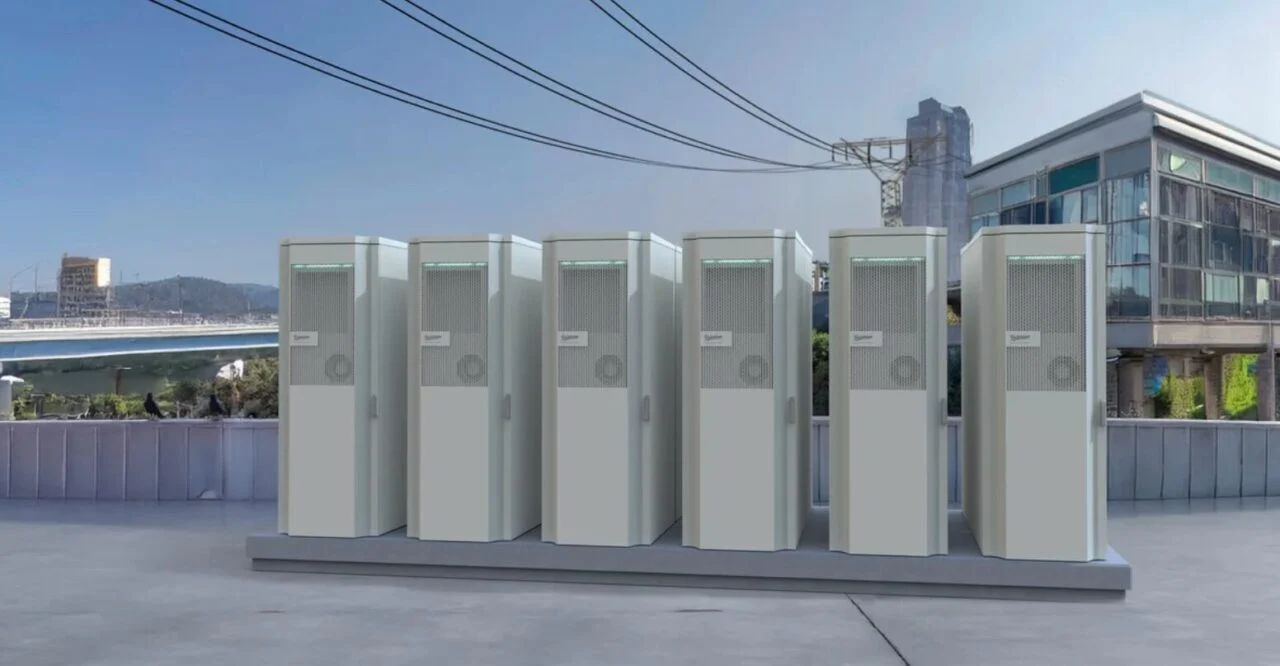
Power firm RWE has partnered with distributed battery storage firm Polarium for a battery-based virtual power plant (VPP) in Germany.
Why it matters: RWE is turning distributed batteries into a 50MW utility asset; if you don't offer VPP-ready systems, your C&I clients will bypass you for utility-led storage programs.
The End of the 'Plumber' Era
For years, German installers have treated Commercial & Industrial (C&I) battery storage as a high-end UPS or a simple peak-shaving tool. This 50MW/135MWh deal between RWE and Polarium signals that the utility giants are done waiting for the middle market to wake up. They are moving into the distributed space to aggregate assets that you installed, likely using software layers that bypass the traditional installer-customer relationship.
Why the 2.7-Hour Duration Matters
Notice the math: 135MWh for 50MW. That is a 2.7-hour duration. This isn't just about chasing FCR (Frequency Containment Reserve), which typically requires shorter bursts. This is a play for aFRR (automatic Frequency Restoration Reserve) and intraday energy arbitrage. By pooling Polarium’s lithium-ion assets—likely across telecom towers and commercial sites—RWE is essentially building a modular gas peaker without the carbon or the permitting headaches.
The §14a EnWG Factor
With the recent §14a EnWG reforms in Germany, the grid operator now has the right to dim down controllable loads. If you are still selling 'dumb' storage systems, you are handing your customers a liability. Systems must be VPP-ready. Companies like Polarium are winning because they provide the vertical integration that utilities crave. The Lesson: If you aren't offering a path to market for your client's electrons, a utility like RWE will step in, offer them a 'free' or subsidized battery in exchange for control, and you’ll lose the hardware margin entirely.