Solarmente, especializada en autoconsumo fotovoltaico, ha solicitado el concurso de acreedores con una deuda cercana a los 197.000 euros ante el juzgado mercantil número 11 de Barcelona.
Why it matters: The 'startup' phase of Spanish solar is over; if you don't have the cash flow to survive a subsidy dip, your brand name won't save you.
The contrast in this news snippet is the perfect microcosm of the current European energy transition: the "sexy" residential startup model is hitting a brick wall, while the "boring" heavy engineering firms are scaling to the moon. Solarmente, once the poster child for Spanish residential PV—backed by high-profile investors like Leonardo DiCaprio—filing for insolvency over a measly €197,000 debt is a massive red flag for the entire sector.
The Death of the VC-Led Residential Model
Let’s be real: if a company with Solarmente’s brand recognition can’t bridge a €200k debt, the problem isn't just the money; it's the fundamental collapse of the high-acquisition-cost business model. We are seeing the post-NextGen EU subsidy hangover in real-time. In Spain, the residential market has cooled significantly as interest rates spiked and the initial 2022-2023 frenzy settled into a grueling marathon. If you built your business on the assumption that customer acquisition costs (CAC) would stay low and subsidies would remain forever, you’re in trouble.
Follow the Money: Why TSK is Winning
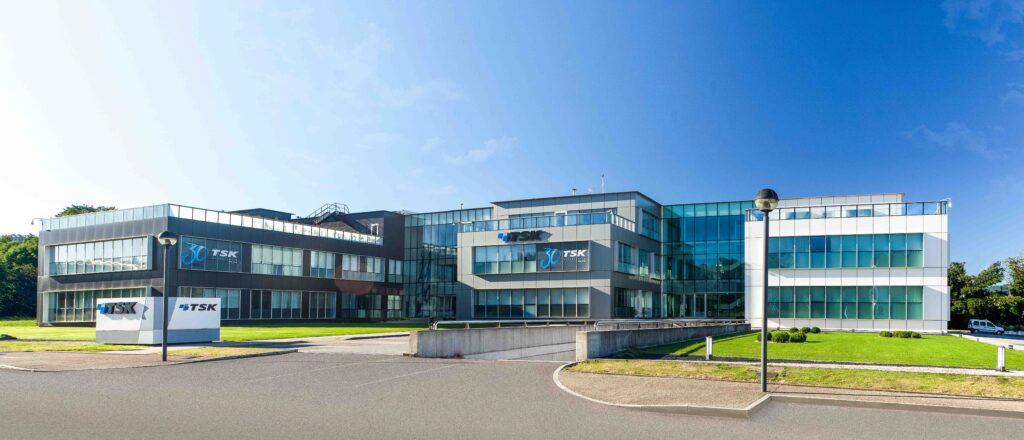
While the small-scale installers are fighting for scraps, TSK is announcing a €150 million IPO. This tells us exactly where the institutional capital is moving. Large-scale EPC and industrial engineering are the only places left for serious margin. TSK isn't knocking on doors to sell 5kW systems; they are building the infrastructure that makes the grid actually work.