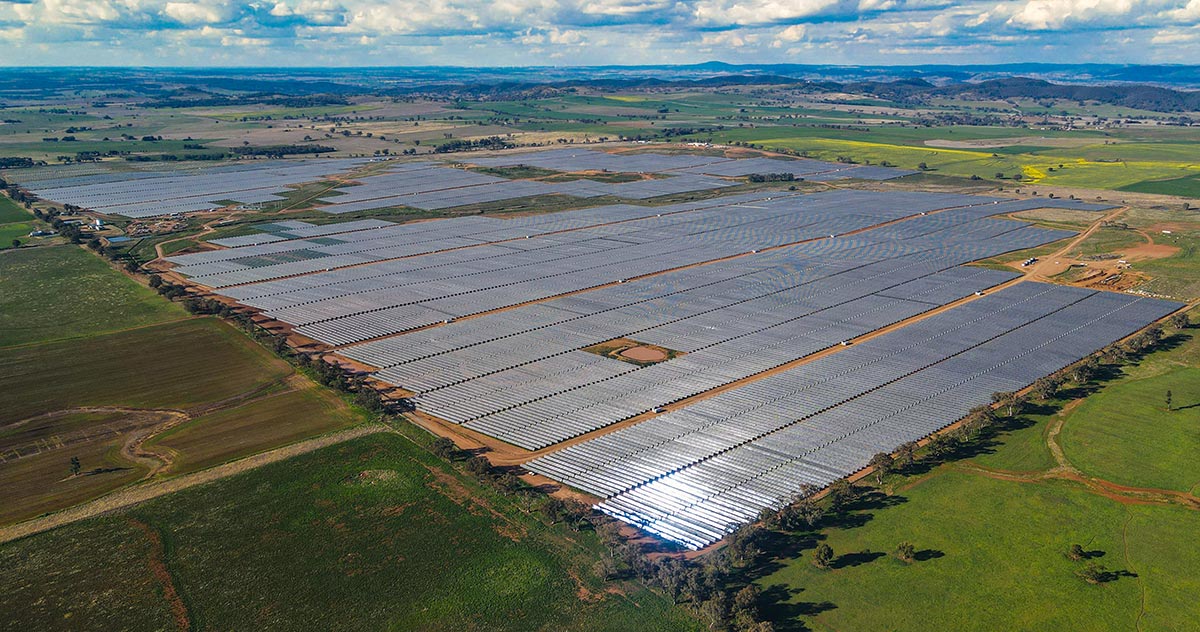
New South Wales (NSW), Australia, has launched what it has described as its “biggest renewable energy tender in the state’s history”, seeking 2.5GW of renewable energy generation.
Why it matters: Pure-play PV is becoming unbankable in saturated markets; learn the NSW storage-first model now or get squeezed out by negative pricing later.
Don't let the 15,000-kilometer distance fool you; the New South Wales (NSW) roadmap is a high-speed preview of the structural headaches coming to the European grid. While the EU bickers over the implementation of the Net-Zero Industry Act, Australia is actually building the replacement for its aging coal fleet in real-time. This 2.5GW tender isn't just about dumping cheap modules into a field; it’s about the Long-Term Energy Service Agreements (LTESAs) that provide a floor price, effectively de-risking projects for financiers in a way that European "pay-as-produced" models are currently struggling to match.
The "Eraring Gap" and the Storage Mandate
The urgency here is driven by the looming closure of the Eraring power station, Australia's largest coal plant (2.8GW). For installers in Germany or the Netherlands currently facing record-high negative pricing and curtailment, the NSW approach is the blueprint. They aren't just buying solar; they are buying firmness. If you’re a developer in Spain or Greece still pitching pure-PV projects without a serious BESS (Battery Energy Storage System) strategy, you’re essentially building a stranded asset. This tender proves that at high penetration levels, the "solar-only" era is dead.
What Your Bank Won't Tell You Yet
The NSW model uses a "debt-like" security for revenue, which is exactly what we need in the EU to combat the volatility of the EPEX SPOT day-ahead markets. We’re seeing a global shift from LCOE (Levelized Cost of Energy) to integrated LCOS (Levelized Cost of Storage). If you want to survive the next five years in the C&I space in Europe, you need to study how these Australian LTESAs bridge the gap between merchant risk and government guarantees. It’s the only way to keep 2.5GW-scale pipelines bankable when the sun is shining and wholesale prices hit zero.