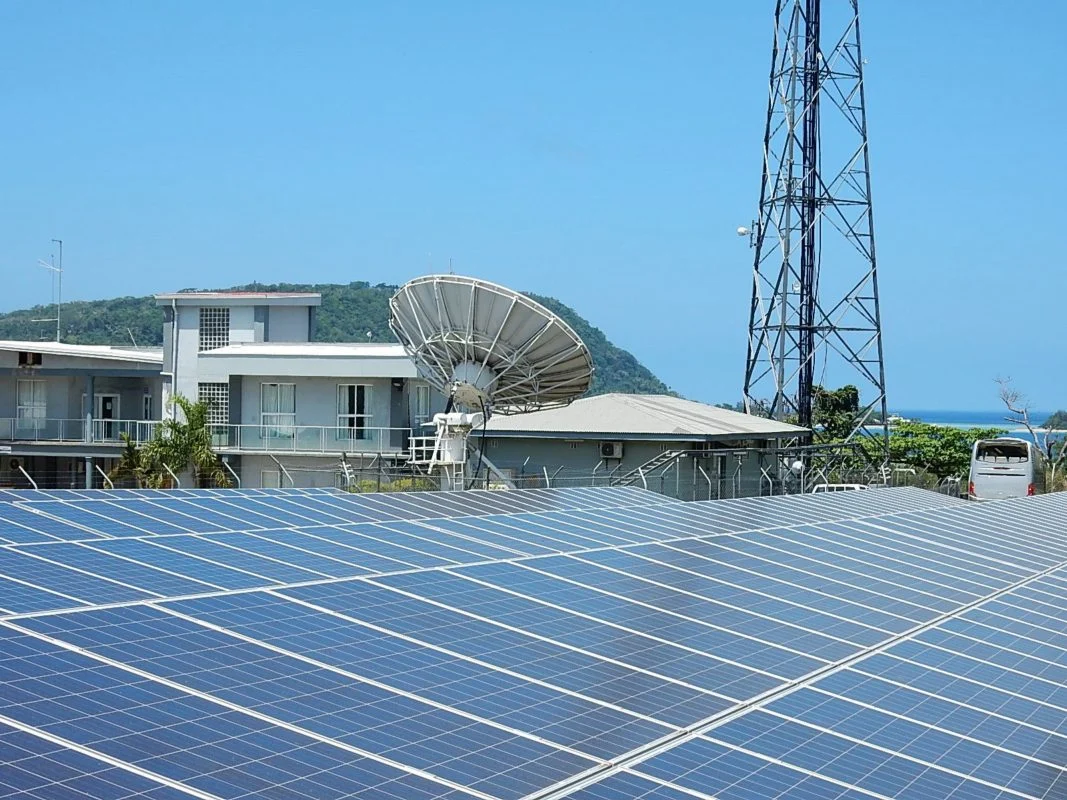
The US$300 million North Star platform will target investments across solar, wind, hybrid and energy storage projects.
Why it matters: CIP is chasing the speed of deployment in India that European bureaucracy currently makes impossible — expect Indian-made components to follow this capital into your supply chain soon.
When Copenhagen Infrastructure Partners (CIP) — arguably the sharpest capital allocators in the Danish energy scene — teams up with British International Investment to drop $300 million into India, you shouldn't just see it as 'emerging market growth.' You should see it as a capital flight signal. While European developers are busy fighting for a spot in a three-year-long permitting queue for a 20MW project in Brandenburg or struggling with negative pricing in the Netherlands, CIP is chasing the scale and speed of the Indian subcontinent.
The 'Round-the-Clock' (RTC) Lesson
India is currently the world's most aggressive laboratory for 'hybrid' projects. Unlike the fragmented C&I market in Europe where we argue over 15kWh batteries for bakeries, India’s 'North Star' platform is eyeing massive solar-wind-storage hybrids designed to provide baseload power. For a Spanish or Greek developer, the takeaway is clear: the future of utility-scale is no longer 'solar-only.' If you aren't modeling wind-plus-storage synergies today, your 2027 pipeline is already obsolete. CIP is betting $300M that they can solve the intermittency puzzle in a market where the levelized cost of storage (LCOS) is being hammered down by sheer volume.
Supply Chain Sovereignty
There is also a hidden supply chain hedge here. By deepening ties in India, CIP is positioning itself to benefit from the ALMM (Approved List of Models and Manufacturers) ecosystem. As the EU flirts with its own version of protectionism via the Net-Zero Industry Act, having a footprint in the world's second-largest solar manufacturing hub is a genius move. If Chinese modules face further trade barriers in the West, India becomes the 'Plan B' for global procurement. If you’re an installer in Germany or Poland, start looking at Indian module brands like Waaree or Adani now; CIP’s money is going to help them reach the quality standards you’ll eventually require when the next trade war hits.