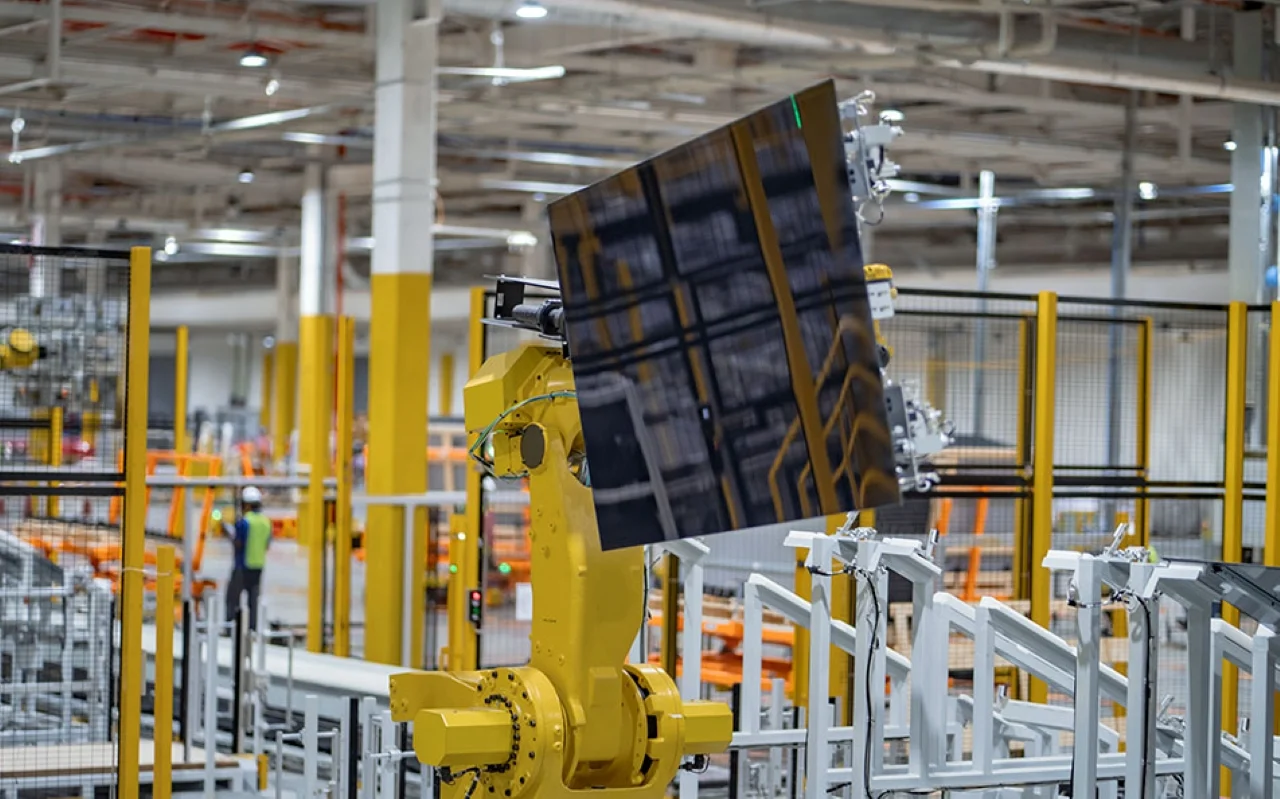
GameChange Solar has partnered with First Solar to support the deployment of domestically manufactured thin-film solar modules in India.
Why it matters: First Solar is prioritizing markets with real protectionist teeth, meaning European supply of CdTe modules will remain tight and expensive for the foreseeable future.
While European developers are still begging for a scrap of non-silicon supply to satisfy ESG-conscious clients, First Solar is busy building a fortress in India. This partnership with GameChange Solar isn't just a logistics win; it’s a strategic middle finger to the globalized supply chain we used to rely on. By pairing First Solar’s 3.3 GW Tamil Nadu output with GameChange’s Genius Tracker, they are creating a pre-vetted, high-efficiency ecosystem that sidesteps the volatility of the spot market.
The Protectionist Blueprint
India’s ALMM (Approved List of Models and Manufacturers) and its 40% Basic Customs Duty (BCD) on modules have done what the EU’s Net-Zero Industry Act (NZIA) has so far failed to do: force the hand of top-tier manufacturers. If you’re an EPC in Spain or Germany, you should be worried. The capacity you need for low-carbon projects is being swallowed by markets that have the regulatory teeth to demand local content. We’re moving from a "lowest price per watt" world to a "can I actually get the hardware" world.
The Technical Synergy TrapThin-film (CdTe) modules aren't like your standard TOPCon panels. They have different mounting requirements and mechanical load profiles. GameChange has spent years optimizing their trackers for First Solar’s specific form factors. This kind of hardware synergy is how you shave 0.5% off your LCOE, but it also creates a closed loop. If you aren't part of these regionalized partnerships, you're left piecing together disparate components and praying the warranties don't conflict when a tracker failure leads to module micro-cracking.
Don't expect these Indian-made modules to hit Rotterdam anytime soon. This capacity is spoken for by a market that understands that in 2024, energy security beats a cheap price tag every single time. European installers need to stop waiting for a supply chain miracle and start locking in long-term agreements with the few domestic or 'friendly' manufacturers left, or risk being priced out of the high-end C&I market entirely.