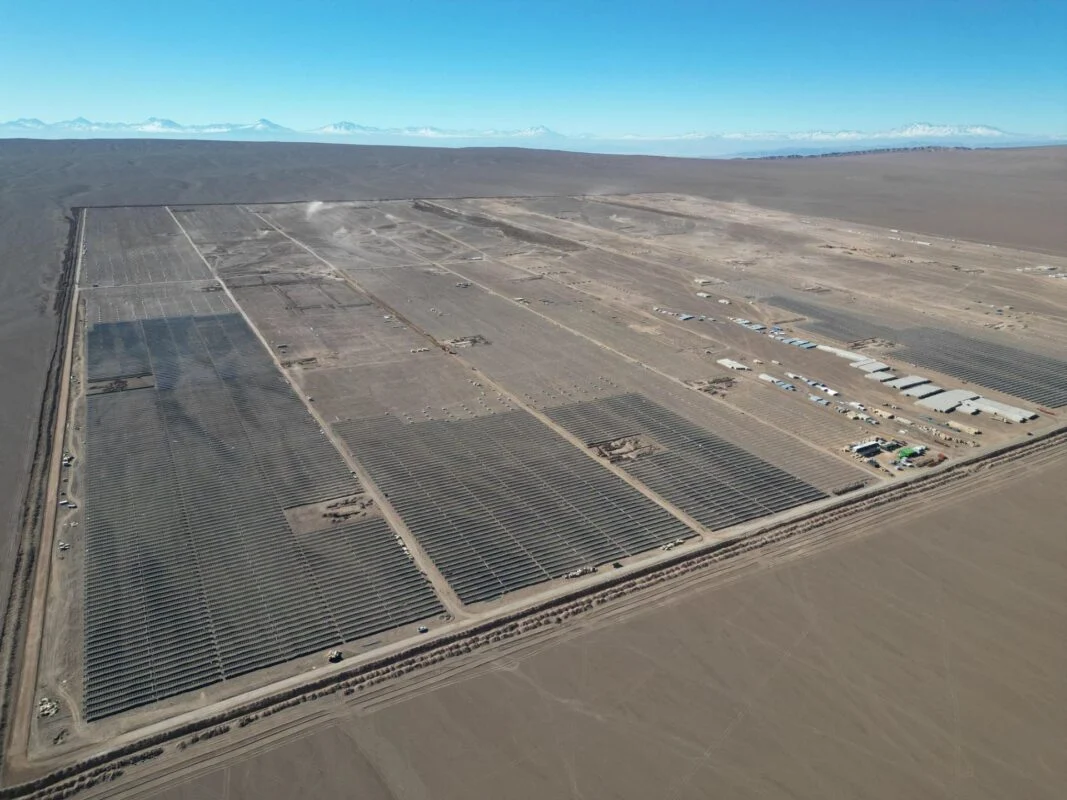
Spanish independent power producer Grenergy has signed a long-term hybrid power purchase agreement (PPA) with US utility Georgia Power.
Why it matters: Your Tier-1 hardware suppliers are prioritizing US mega-projects over European distributors because of the revenue certainty provided by long-term hybrid PPAs.
While European developers are busy navigating the bureaucratic swamp of the Nature Restoration Law and pleading for grid connections in Brandenburg or Extremadura, Grenergy is showing us where the smart money is moving. This isn’t just another press release; it’s a symptom of a massive capital flight from the European continent toward the predictable, subsidy-heavy embrace of the US Inflation Reduction Act (IRA).
The 20-Year Security Blanket
Let’s look at the math. In the EU, a developer is lucky to secure a 10-year PPA with a corporate off-taker, often at prices that barely cover the current cost of capital. Grenergy’s deal with Georgia Power likely leverages the US utility’s need for firm capacity, utilizing 20-year terms that are virtually extinct in Europe. For a Spanish IPP, the choice is simple: deal with the merchant-price cannibalization in Iberia—where solar capture prices hit zero during peak hours—or lock in two decades of guaranteed revenue in the American South.
The Hardware Squeeze
For the medium-sized European installer, this is a supply chain warning. When Grenergy signs a hybrid deal like this, they aren’t just buying panels; they are locking up BESS (Battery Energy Storage System) capacity. We are already seeing lead times for utility-scale battery enclosures from the likes of CATL and Tesla stretching out. Every GWh committed to a US utility is a GWh that isn't sitting in a warehouse in Rotterdam ready for your next C&I project. If you think your BESS pricing is going to drop significantly in 2024, you haven't accounted for the sheer volume of Spanish and Italian capital now chasing US tax credits.
If European regulators don't stop obsessing over price caps and start focusing on long-term revenue certainty, we’re going to see more of our best engineering talent and project pipelines exported to Georgia, Ohio, and Texas.