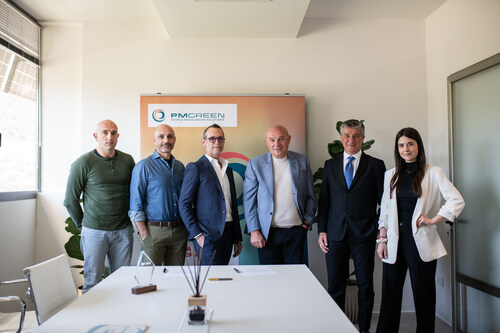
JinkoSolar has partnered with PM Green to supply 200MW of modules, as part of a broader collaboration covering up to 1GW of capacity.
Why it matters: Mega-deals like this allow developers to bypass distributors and crush the hardware margins of mid-sized EPCs who can't match Jinko's direct-to-client pricing.
While the headlines scream "1GW," the real story for the European professional isn't the volume—it's the procurement lock-in. PM Green is securing a massive pipeline in Italy, a market where grid connection queues are currently a bureaucratic nightmare. By tethering themselves to JinkoSolar for a full gigawatt, they aren't just buying glass and silicon; they’re buying a seat at the table for when the next supply chain hiccup inevitably occurs.
The N-Type Arms Race
Make no mistake, this deal is the death knell for PERC in the utility-scale sector. Jinko is aggressively pushing its Tiger Neo N-type modules to dominate the LCOE (Levelized Cost of Energy) conversation. If you’re a mid-sized installer in the EU still sitting on 400Wp PERC inventory, you are looking at a rapidly depreciating asset. When 1GW of high-efficiency TopCon hits a regional market through a single developer, the secondary market for older tech doesn't just soften—it evaporates.
The Death of the Middleman?
We’ve seen this pattern before. These massive framework agreements allow developers to bypass traditional European distribution layers entirely. For an EPC firm handling 10-50MW per year, this is a signal to pivot. You cannot compete with the raw purchasing power of a firm negotiating directly with Shanghai. Your value proposition can no longer be "I can source the hardware"; it must be "I can navigate the Fer 2 decree or local environmental permits better than anyone else."