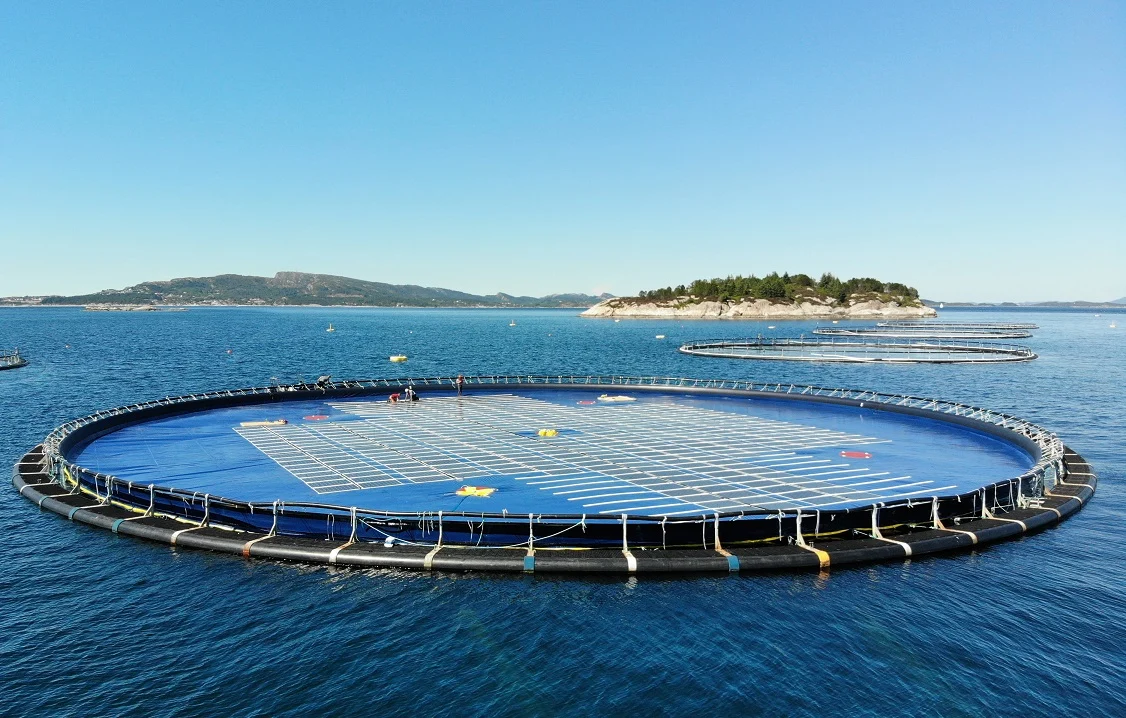
Norwegian floating solar developer Ocean Sun has entered into a memorandum of understanding (MoU) with ACEN-Silverwolf to establish a framework for deploying utility-scale floating solar installations across selected Asian markets.
Why it matters: The massive scale of Asian FPV projects is sucking the air out of the room for European developers who are stuck in a regulatory permit purgatory.
While European developers wait years for a permit to float a single megawatt on a retired coal pit in Lusatia, Ocean Sun is heading where the water is warm and the red tape is thinner. This MoU with ACEN—the energy arm of the Ayala Group—isn't just another press release; it’s a strategic admission: The utility-scale FPV market is decoupling from Europe.
The Membrane vs. The Pontoon
Ocean Sun’s tech is the "trampoline" of solar—a thin hydro-elastic membrane that sits directly on the water. Unlike the bulky HDPE pontoons from players like Sungrow or Ciel & Terre, this design allows for direct cooling of the modules, potentially boosting yield by 5-10%. However, it requires specific wave conditions. By partnering with ACEN, they aren't just looking for sun; they are looking for the massive, sheltered hydropower reservoirs common in the Philippines and Vietnam where they can scale to hundreds of megawatts without fighting every local fishing club in the EU.
Why the EU is Losing the Lead
If you want to play in FPV, start studying the mooring requirements for tropical typhoons. That is where the actual utility-scale learning curve is happening, while the European market remains a niche playground for high-CAPEX pilot projects.