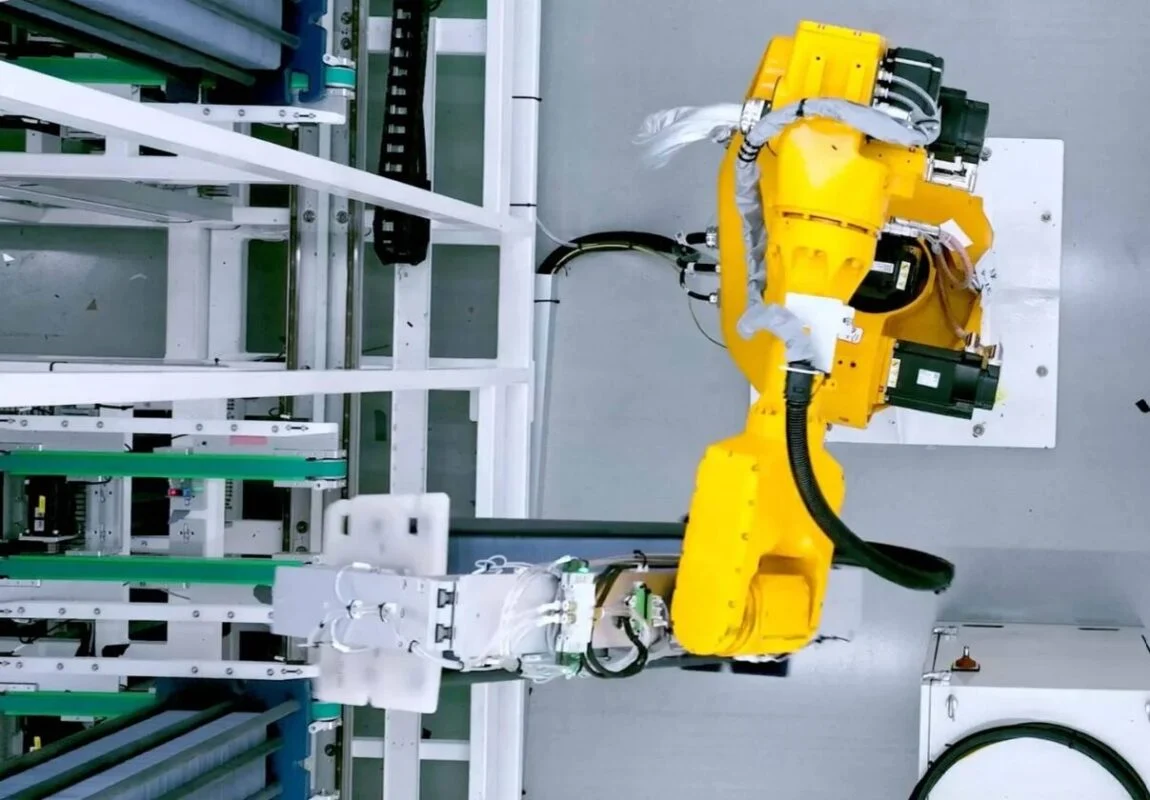
Toyo Solar has posted a 177% increase in revenues in Q1 2026, after bringing online new cell and module manufacturing facilities.
Why it matters: Rapidly scaling 'Tier 2' brands offer tempting prices, but their long-term warranty viability and QA consistency are unproven compared to the established market leaders.
Revenue is vanity, profit is sanity. Seeing a 177% jump from a manufacturer like Toyo—who has pivoted hard into Southeast Asian production—should trigger your 'anti-circumvention' alarm bells. While the 'Big Four' (Jinko, LONGi, Trina, JA Solar) are fighting over pennies in the utility-scale space, Toyo is aggressively positioning itself as the alternative to direct Chinese shipments. But here is the reality: scaling manufacturing in a 2026 market defined by module gluts and €0.10-per-watt prices is a kamikaze mission unless you have a locked-in off-taker or a massive technological edge.
The QA/QC Gamble
For an installer in the Netherlands or Germany, this isn't just a balance sheet story; it’s a risk assessment. When a company scales this fast, QA/QC often takes a backseat to throughput. We’ve seen this pattern before during the 2018-2019 rush—micro-cracks and PID issues don't show up in Q1 revenue reports; they show up in your O&M costs three years later. If Toyo is ramping TOPCon lines to meet this 177% surge, are they using the same grade of POE encapsulant as the premium Tier 1s, or are they cutting corners to survive the margin compression?
The Regulatory Wall
Furthermore, the EU’s Ecodesign for Sustainable Product Requirements (ESPR) is looming. Toyo’s Vietnamese footprint might bypass some U.S. tariffs, but it won't bypass the carbon footprint transparency required for European projects by late 2026. If you're building a 5MW C&I rooftop today using these modules, you need to be asking for the specific EPD (Environmental Product Declaration) now. A 177% revenue spike suggests they are moving volume, not necessarily value. Don't be the one holding the bag if their aggressive expansion leads to a liquidity crunch when the next price floor drops.