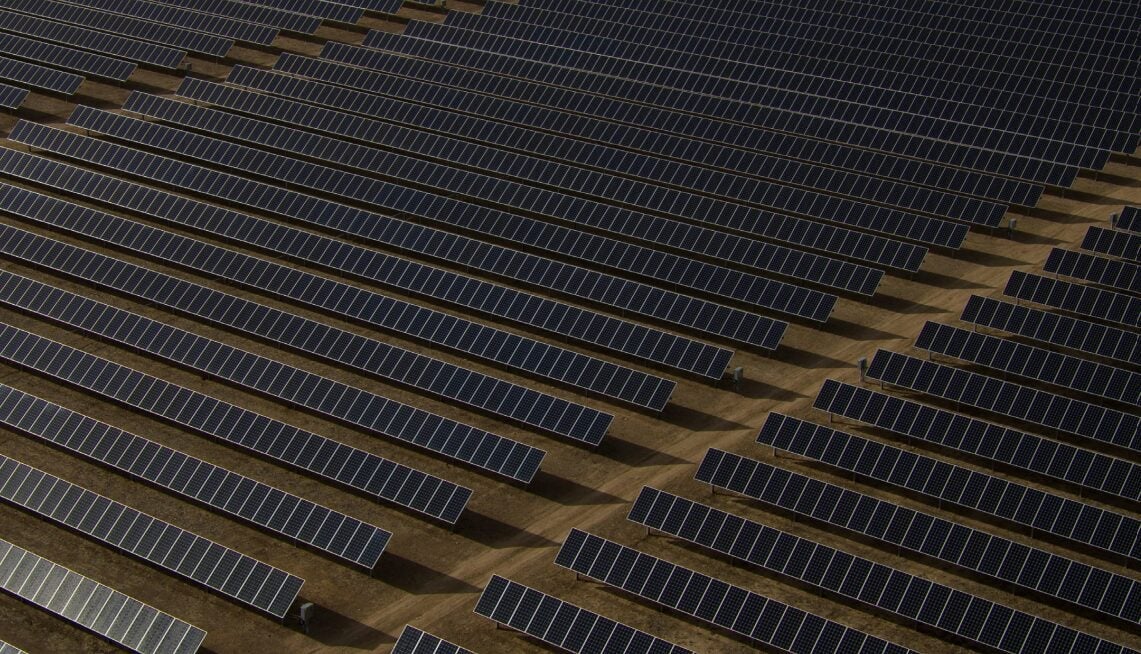
US real estate company CIM Group has launched an energy platform with a 2GW portfolio of solar PV and battery energy storage system (BESS) assets.
Why it matters: Your next big competitor isn't a solar company—it's a real estate firm with a massive balance sheet and a mandate to turn every roof into a profit center.
If you think your biggest competitor is the installer down the street or a national utility, CIM Group’s 2GW pivot should be your wake-up call. We are witnessing the 'Real Estate-ification' of energy. When a property heavyweight like CIM stops just putting panels on roofs and starts launching dedicated energy platforms, the game has fundamentally changed for European developers.
The 60% Storage Ratio is the New Benchmark
Look at the math: 1.2GW of solar paired with 690MW of BESS. That is a nearly 60% storage-to-solar ratio. In markets like Germany or the Netherlands, many C&I installers are still struggling to convince clients to add 20% storage capacity. CIM isn’t doing this for the ESG optics; they are doing it because a 1.2GW solar-only portfolio in a saturated market is a merchant risk nightmare. By baking in massive storage from day one, they are effectively building a virtual power plant (VPP) that can play the frequency response and arbitrage markets more effectively than any legacy utility.
Why EU Developers Should Sweat
This isn't just a 'US story.' The capital flows are global. When firms like CIM or Blackstone move into energy, they bring a lower cost of capital that most mid-sized EU developers can't touch. They are also locking up Tier 1 supply chains. If you’re wondering why your lead times for Sungrow or Tesla Megapacks are stretching into 2026, it's because platforms like this are buying out the production lines.
The Survival Strategy
Stop selling 'solar systems' and start selling 'asset optimization.' If you aren't talking to your clients about how a BESS-heavy configuration protects them from the negative pricing we saw across Europe this past summer, you’re leaving the door wide open for an institutional player to swoop in and lease their roof right out from under you.