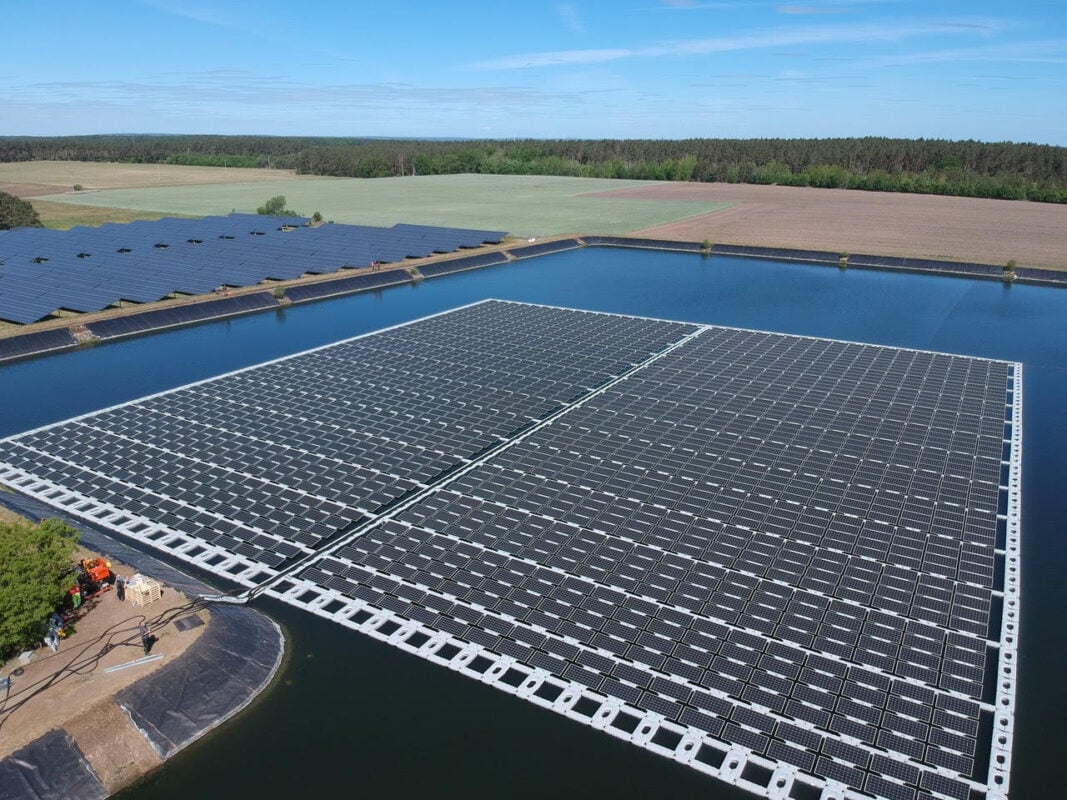
Norway-headquartered technical and safety expert DNV has published two new standards for the design and maintenance of floating solar PV (FPV) systems.
Why it matters: You can’t scale FPV if your insurer treats it like a prototype; these standards turn risky water-based solar into a bankable asset class.
The End of the 'Wild West' on Water
For years, Floating PV (FPV) has been the 'rebel child' of the solar industry. We’ve seen developers in the Netherlands and Portugal essentially hacking together ground-mount logic with HDPE floats and crossing their fingers during the first winter gale. The result? Insurance premiums that look more like ransom notes and a massive hesitancy from Tier 1 lenders to touch anything that isn't bolted to solid earth.
Why DNV-ST-0119 and RP-0584 Matter to Your Bottom Line
DNV isn't just releasing a white paper; they are providing the industry with a shield against risk-averse underwriters. The new design standard (ST-0119) and the recommended practice for O&M (RP-0584) create a technical baseline that moves FPV from 'experimental' to 'infrastructure.' If you are pitching a 10MW project on a decommissioned quarry in Germany or a cooling pond in Alentejo, these documents are now your most important sales tools.
The Reality Check
Let’s be clear: this will increase your upfront CAPEX. Following these standards means you can't cut corners on mooring hardware or structural thickness. However, if you're building a 25-year asset, the reduction in your Levelized Cost of Electricity (LCOE)—driven by lower insurance and higher uptime—makes the 'cheap' DIY approach look like a professional liability. Stop building rafts and start building power plants.