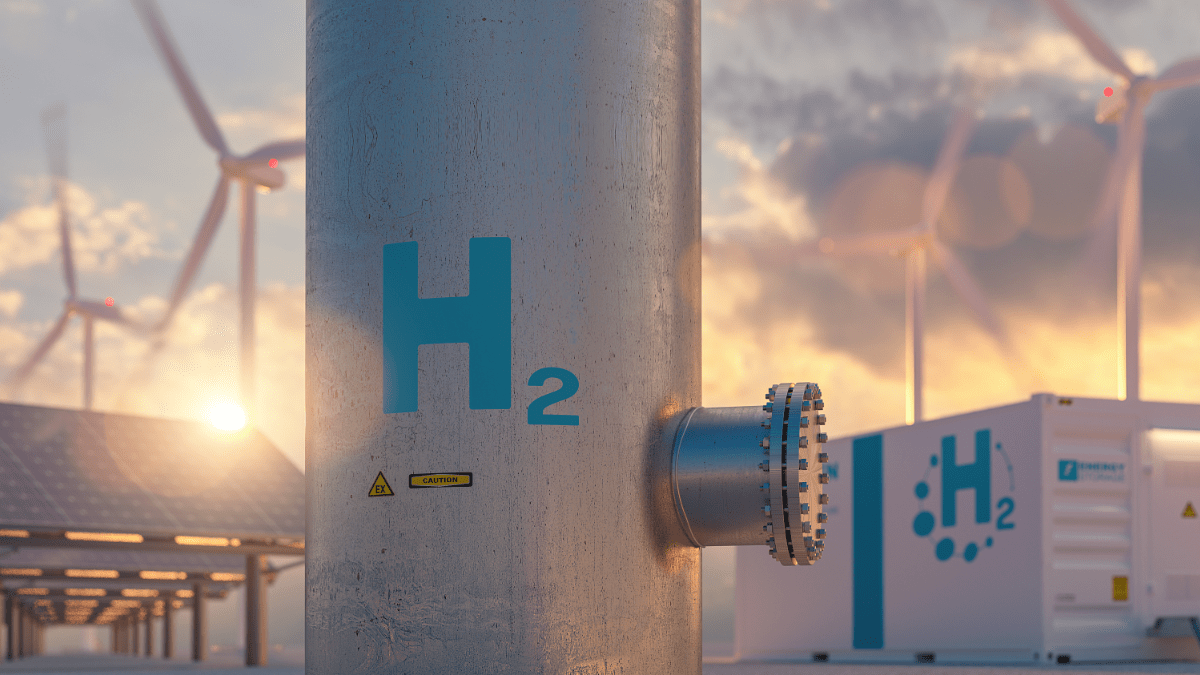
YamnaCo Ltd has received Andhra Pradesh Government approval for the first phase of a green ammonia project, targeting a production capacity of 0.5 MTPA.
Why it matters: Gigascale green fuel projects in India will vacuum up global module supply and outcompete European domestic hydrogen production on price.
The Module Vacuum is Real
While European developers are busy navigating the bureaucratic thicket of RED III delegated acts and local grid connection fees, Yamna and the Andhra Pradesh government are laying the groundwork for a massive solar-to-ammonia pipeline. A 0.5 MTPA (million tonnes per annum) green ammonia plant isn't just a chemical facility; it’s a multi-gigawatt solar demand sink. For a project of this scale, we are looking at roughly 2.5 GW to 3 GW of dedicated PV capacity just for Phase 1. When $1 billion enters the chat, they aren't buying 500 panels for a C&I rooftop; they are locking up production lines at Jinko or LONGi for years.
The CBAM Arbitrage Strategy
Why should an installer in Germany or a developer in Spain care about Krishnapatnam Port? Two words: Carbon Border Adjustment Mechanism (CBAM). India is positioning itself as the world’s low-cost green fuel hub. They are betting that the LCOE of solar in Andhra Pradesh—which frequently dips below $0.02/kWh—will more than offset the shipping costs to Europe. By the time European industrial players get their domestic electrolysis projects through the permitting gauntlet, Yamna will be ready to ship low-carbon molecules into the EU at prices domestic producers can't touch.
The EPC Warning
We’ve seen this pattern before. Massive Asian infrastructure projects create global supply bottlenecks that hit European mid-market installers the hardest. This isn't just a 'local India story'—it's a signal that the big money is moving away from grid-connected feed-in-tariff hunting and toward massive industrial feedstock. If you're planning a 50MW project for 2026, you're now competing for hardware against a $1B UAE-backed hydrogen juggernaut. Expect margin pressure to migrate from the modules themselves to the logistics of actually securing them.