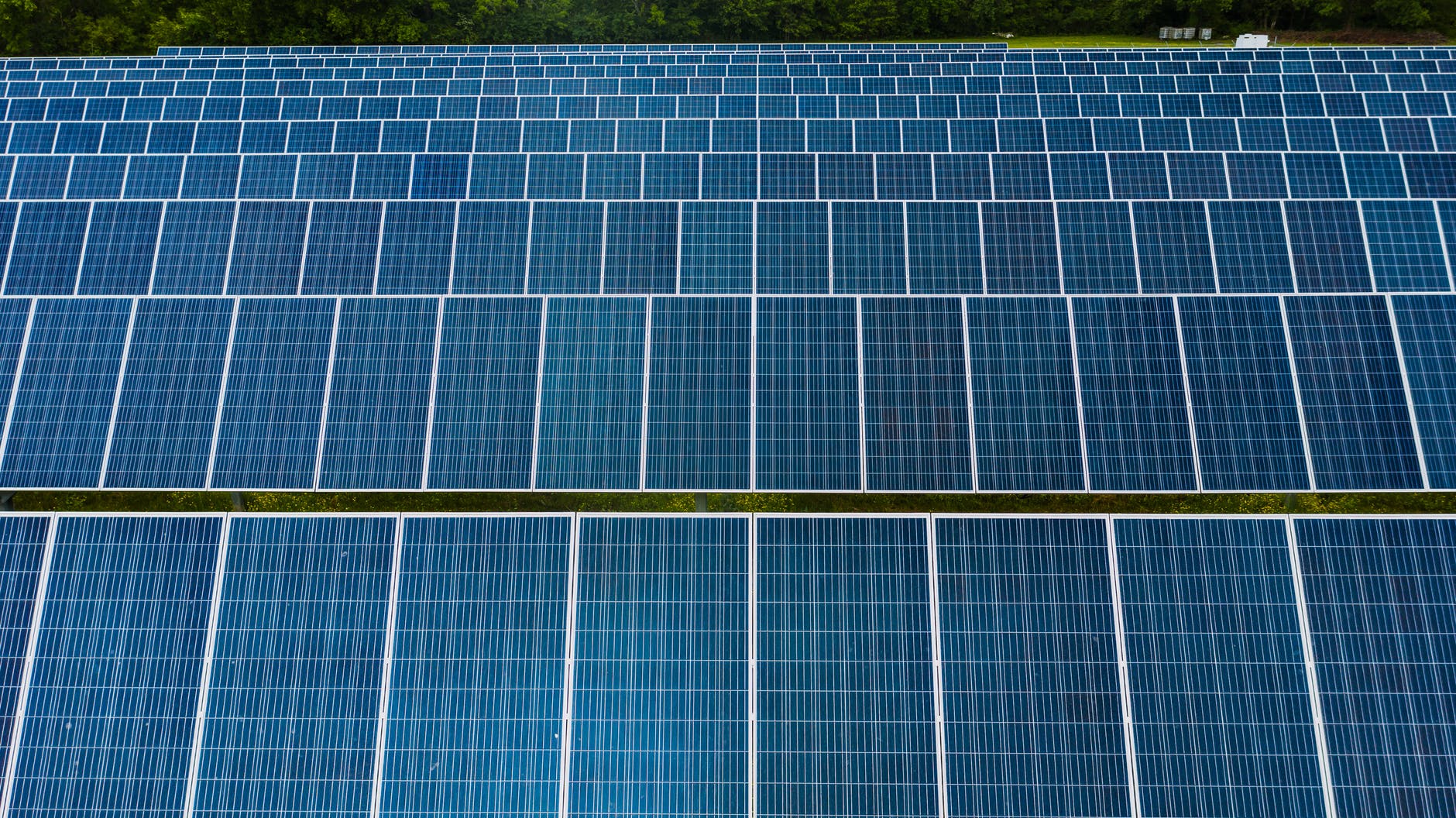
The Indian government will enforce a solar manufacturing policy on June 1, 2026, requiring that all solar panels used in residential, commercial, and industrial projects be locally produced.
Why it matters: India closing its market to Chinese modules means a massive overflow of cheap inventory is coming to Europe—great for your margins, but a disaster for market stability.
India isn’t just flirting with protectionism anymore; they’ve officially filed for marriage. By mandating Domestic Content Requirement (DCR) across residential, C&I, and utility sectors by mid-2026, New Delhi is doing what the European Commission is too timid to attempt with the Net-Zero Industry Act (NZIA). This isn't just an internal Indian policy; it’s a massive supply chain tectonic shift that will be felt in every warehouse from Rotterdam to Valencia.
The 'Rotterdam Dump' Effect
When a market as massive as India effectively bans Chinese-made modules for its mainstream projects, that capacity doesn't just vanish. China is currently sitting on over 400GW of annual excess module capacity. If the Indian door slams shut in 2026, expect a tidal wave of TOPCon and HJT modules to be diverted to the European market at fire-sale prices. For the average German or Dutch installer, this means short-term margin bliss as procurement costs drop, but it’s a death knell for the 'Made in Europe' dream. We are watching the global market bifurcate: protected high-cost zones and 'free-for-all' dumping grounds.
The Reliability Gap
I’ve seen this play out before with the ALMM (Approved List of Models and Manufacturers). India’s domestic giants like Waaree and Adani are scaling fast, but domestic mandates often lead to a 'quality tax.' When competition is legislated away, innovation slows down. European developers should watch this closely: if India’s local-made modules see a rise in failure rates or lower-than-advertised yields, it serves as a warning for our own domestic manufacturing ambitions. We need 30GW of EU capacity, but we can't afford to sacrifice the 21% efficiency standard installers now expect as a baseline.