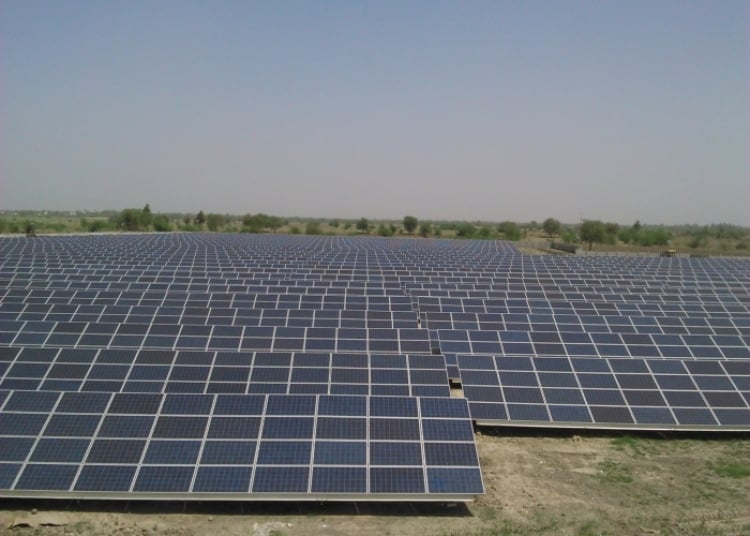
RUMSL has launched two solar-plus-storage projects in India designed to provide power supply during peak demand periods.
Why it matters: If you aren't integrating 4-hour storage into your 2025 project pipeline, your midday energy yields will be cannibalized by zero-price peaks.
The Death of the 'Dump and Run' Solar Model
While many European developers are still haggling with DSOs over grid connection dates for 'dumb' solar, India’s RUMSL is moving straight to the end-game: dispatchability. These 50MW and 200MW tenders aren't just about adding capacity; they are about solving the 18:00 to 22:00 demand spike. For an installer in Germany or the Benelux, this is a loud signal that the 'solar-only' asset is rapidly becoming a financial liability.
In markets like Spain and California, we have already seen price cannibalization drive wholesale rates to zero (or negative) during the solar peak. If you are pitching a C&I or utility project today without a BESS component, you are essentially selling your client an asset that loses value every time a neighbor installs a panel. RUMSL’s move toward peak-specific contracts mirrors the logic of the EU's Electricity Market Design (EMD) reform, which incentivizes flexibility over raw volume.
Don’t treat this as distant news from the subcontinent. Treat it as a blueprint for the next phase of the RED III implementation. The next generation of PPAs in Europe won't pay for midday energy; they will pay for reliability. If you can't guarantee power when the sun goes down, your MWh is increasingly worthless.