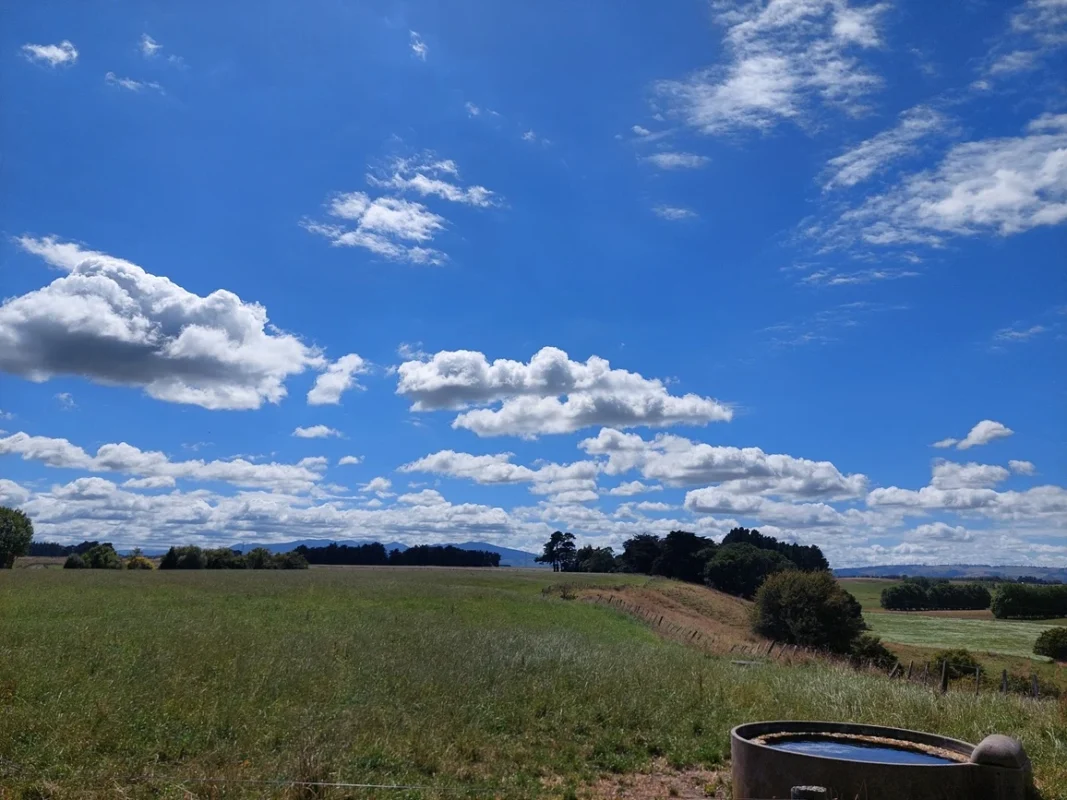
New Zealand utility Meridian Energy has received consent to build a 120MW solar PV project alongside a planned battery energy storage system (BESS).
Why it matters: Stop pitching raw generation; if your utility-scale project doesn't include storage by design, it's a 20-year financial liability.
Meridian Energy isn't just building a solar plant; they’re building a synthetic peaker. In a market like New Zealand—dominated by hydro and wind—solar’s value drops toward zero the moment the sun peaks unless you can shift that load. For the European developer, this isn't a curiosity from the bottom of the world; it’s a mirror. Whether you’re working in the Dutch market grappling with extreme grid congestion or Spain facing mid-day price cannibalization, the 120MW solar + BESS blueprint is the only way to protect your IRR.
The 'Stranded Asset' Trap
If your 2025/26 pipeline involves utility-scale PV without a dedicated storage component, you are essentially gambling on the mercy of the spot market. We’ve seen this play out in the ERCOT market in Texas and we’re seeing it now in Germany, where negative prices are no longer an anomaly but a structural feature of the energy transition. Meridian’s move to bundle storage from day one suggests they’ve done the math on LCOS (Levelized Cost of Storage) and realized that 'solar-only' is a recipe for a stranded asset in a high-penetration grid.
Practical reality for EU installers: