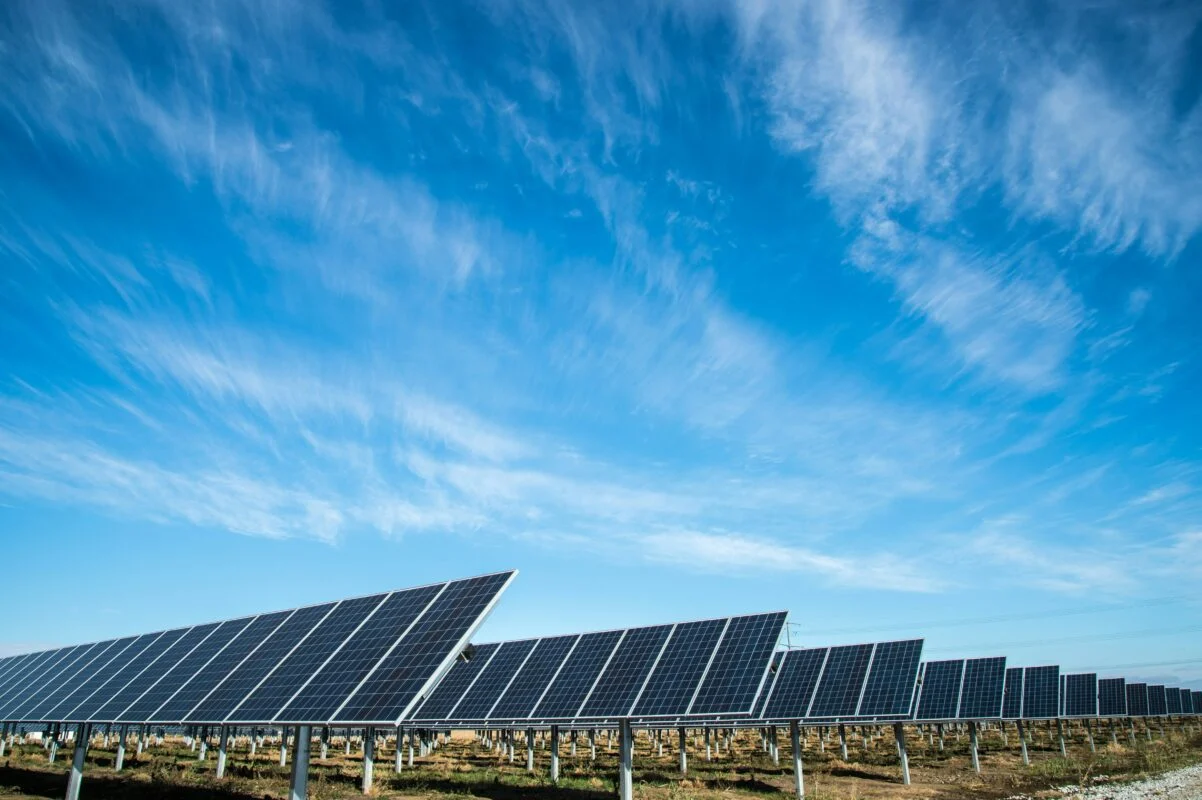
MN8 Energy has raised US$300 million to extend a corporate credit facility that will build out its pipeline of US solar and storage projects.
Why it matters: Institutional capital is moving away from individual projects toward flexible corporate debt, meaning smaller developers must either scale up their BESS integration or prepare for acquisition.
If you are still financing your projects one by one, hat in hand at the local bank, you are already falling behind. MN8 Energy—the Goldman Sachs spin-off that rebranded but kept the institutional DNA—just secured a $300 million credit facility extension. While the headline says 'USA,' the lesson is purely global: the era of the 'scrappy developer' is being strangled by the sheer cost of capital.
The Shift from Projects to Portfolios
In the European theater, we’re seeing a similar consolidation of power. Whether it's Statkraft in the Nordics or Iberdrola’s aggressive moves in Spain, the winners aren't just better at installing modules; they are better at financial engineering. A corporate credit facility of this size allows MN8 to move with a speed that a project-finance-dependent developer can't match. When a distressed 50MW project in the Netherlands or a 100MW BESS site in Germany hits the market, these guys don't wait for a 12-week due diligence cycle from a retail bank. They draw from the facility and close before you’ve finished your first spreadsheet.
The Storage Mandate
Note the explicit mention of storage. We are past the point where 'solar-only' is a viable long-term strategy for anyone building at scale. In markets like Italy or Greece, where curtailment is becoming a daily reality, the ability to fund hybrid assets via a flexible credit line is the difference between a profitable PPA and a stranded asset. If your business model doesn't account for the €400-600/kWh cost of utility-scale storage, you won't be the one signing the next $300M facility.