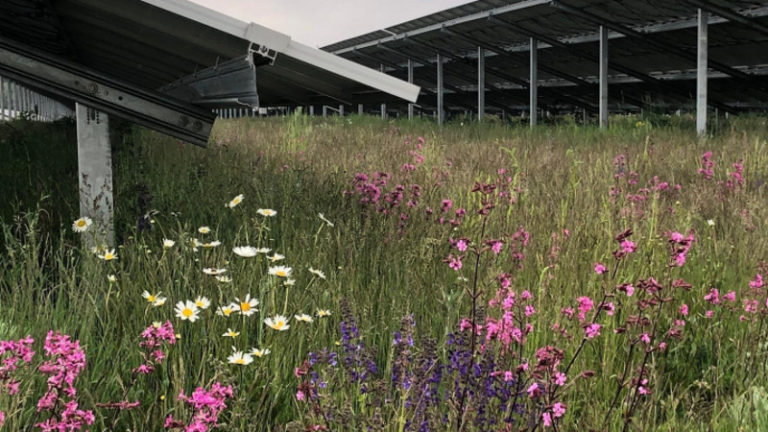
Un estudio convierte el suelo en el recurso crítico de la transición energética en España y plantea una nueva métrica que considere la generación de energía, el coste económico y las emisiones de CO2.
Why it matters: Permitting is shifting from technical feasibility to land-use ethics; use high-efficiency tech to shrink your footprint or face local vetos.
If you’re still pitching projects based solely on LCOE, you’re bringing a knife to a gunfight in the Spanish permitting office. We’ve moved past the era where 'cheap land' was the only variable. In regions like Extremadura and Castilla-La Mancha, land is no longer just a surface; it’s a political and thermoeconomic battleground.
The Death of the 'Land Grab' Strategy
This study highlights a shift I’ve been seeing for months: the transition from pure energy yield to Energy-per-Hectare-per-Euro. For a developer, this is a warning shot. If the Spanish government or local autonomous communities start codifying these 'thermoeconomic' metrics into the Environmental Impact Statement (DIA) process, your low-efficiency, sprawling 100MW project using outdated 540Wp p-type modules is dead on arrival.
The Agri-PV Pivot
The comparison with energy crops in the study is almost laughable—PV delivers roughly 30 to 50 times more energy per hectare—but the fact that researchers are even making the comparison tells you everything about the current PR climate. To win in this environment, you need to shrink the footprint. This means:
The Money Angle
Expect a future where land leases aren't just a fixed €/hectare, but potentially tied to the opportunity cost of the land's previous use. If you can’t prove that your PV plant is the most 'efficient' possible use of that specific soil, expect your grid connection or local permit to be 'delayed' indefinitely while a more efficient project takes your spot.