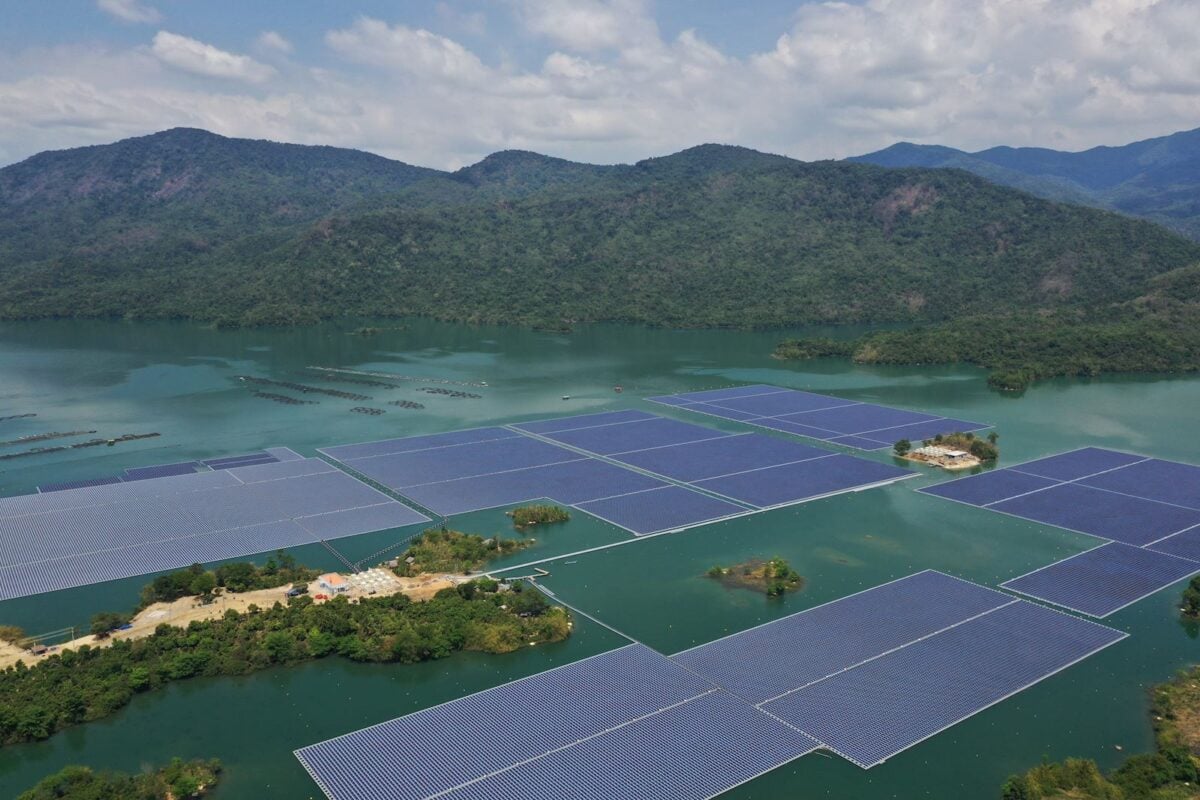
The Vietnamese state power utility Vietnam Energy Generation Corporation 1 (EVNGENCO1) has proposed the development of 270MW of floating solar PV capacity on three hydropower reservoirs.
Why it matters: Stop fighting for agricultural land and start auditing your local utility's reservoir inventory for the fastest path to grid-connected volume.
If you're still banging your head against the wall trying to get a 50MW ground-mount project permitted in Brandenburg or the Alentejo, look closely at EVNGENCO1’s proposal. This isn't just about Southeast Asian decarbonization; it’s a masterclass in infrastructure arbitrage that European developers are ignoring at their own peril.
The Permitting Cheat Code
In the EU, the 'food vs. fuel' debate is killing utility-scale margins. Vietnam is bypassing this by utilizing hydropower reservoirs—pre-industrialized zones where the grid connection already exists. For a developer in Portugal or Italy, mimicking this approach with regional utilities like EDP or Enel means cutting three years off the permitting cycle. You aren't fighting farmers for hectares; you’re asking a utility to increase the utilization factor of an existing substation.
The Hybridization Arbitrage
Adding 270MW of PV to hydro isn't just about space; it’s about the 'water battery' effect. When the sun shines, you throttle the turbines and save the water. When the sun sets, the hydro ramps up. This eliminates the need for expensive BESS to manage intermittency. We’ve seen this work at a smaller scale with EDP’s Alqueva project (5MW), but Vietnam is proving that the 250MW+ scale is where the LCOE truly plummets by sharing O&M teams and high-voltage infrastructure.
While European installers focus on residential rooftops, the real institutional money is moving toward these hybrid 'energy hubs.' Vietnam is just showing us the scale that’s possible when you stop treating solar as a standalone asset.