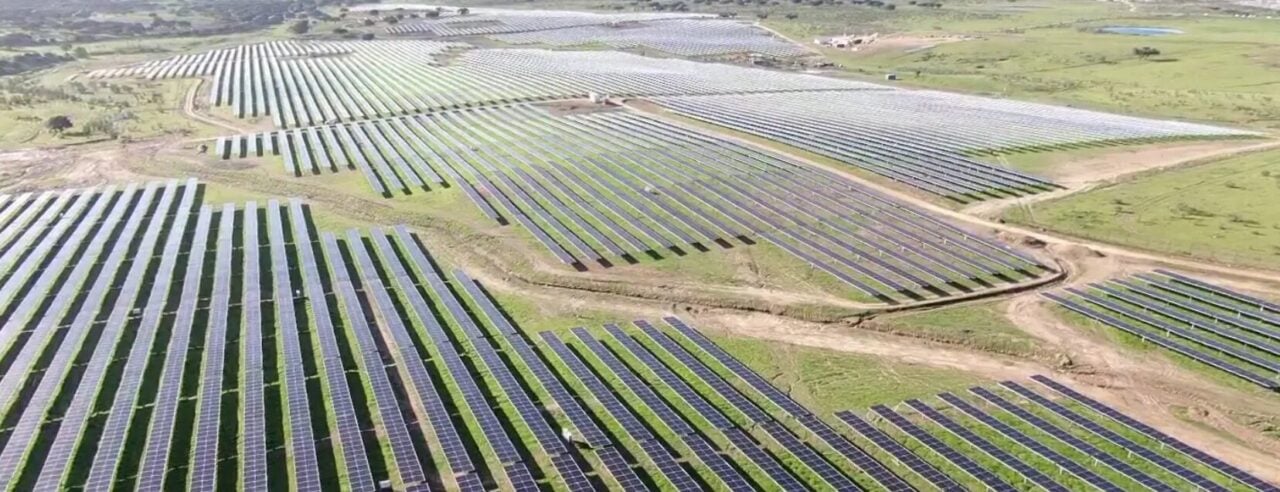
IPPs Zelestra, BNZ and ALFI have secured offtake and financing to hybridise solar projects with BESS across Spain, Italy, Portugal and Romania.
Why it matters: The era of selling 'just panels' is over; if you aren't integrating BESS into your utility and C&I designs today, your projects will be unbankable by 2026.
If you are still pitching solar-only utility-scale projects in Andalusia or the Alentejo, you aren't selling an asset; you’re selling a liability. We are witnessing the end of the 'pure-play' PV era in Southern Europe. The move by Zelestra (the artist formerly known as Solarpack) and BNZ to hybridize their portfolios isn't some green-tech experiment—it is a desperate, calculated survival tactic against the cannibalization of the captured price.
The €0/MWh Reality Check
Spain and Portugal are currently the world’s most aggressive classrooms for what happens when solar oversupply meets a rigid grid. We’ve seen hours where the pool price hits zero or goes negative. For an IPP, that means your IRR isn't just leaking; it’s hemorrhaging. By adding Battery Energy Storage Systems (BESS), these players are finally decoupled from the midday price collapse. They are shifting those electrons to the evening ramp when the CCGTs (Combined Cycle Gas Turbines) usually set the price at €80-100/MWh.
For the European installer or mid-tier developer, the signal is deafening: The secondary market for 'naked' solar projects is going to crater. If your pipeline doesn't include space for 2-hour or 4-hour storage modules, you will be left holding assets that no one—not BNZ, not ALFI, and certainly not the big utilities—will want to buy. Stop designing for peak generation and start designing for dispatchable revenue.