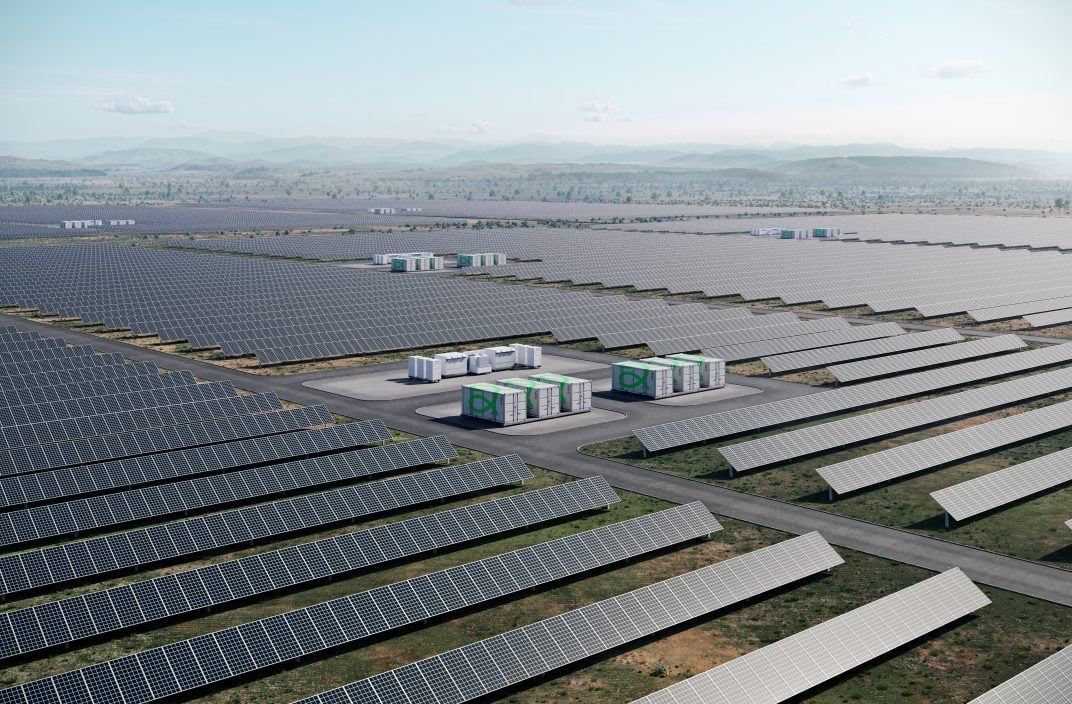
Australia's CIS Tender 7 has seen 19 successful projects, which will deliver 7.8GW of renewable energy generation across the NEM.
Why it matters: The merchant solar model is dying; government-guaranteed revenue floors are the new standard for keeping utility-scale projects bankable.
If you think the 7.8GW figure is just another big number from the Antipodes, you’re missing the structural shift that is about to hit Europe. Australia’s Capacity Investment Scheme (CIS) is effectively a massive experiment in government-backed de-risking for a post-subsidy world. While European installers are still wrestling with fluctuating PPA prices and the phase-out of traditional feed-in tariffs, Australia has moved to a 'revenue floor and ceiling' model. This is the blueprint for how we survive the cannibalization of solar margins.
The End of the 'Wild West' Merchant Model
For years, developers in markets like Spain or the Netherlands chased merchant tails, hoping spot prices would stay high enough to satisfy lenders. Australia’s National Electricity Market (NEM) has proven that doesn't work once solar penetration hits a certain threshold. With negative pricing becoming a daily occurrence in South Australia and Queensland, the merchant model collapsed. The CIS tender is the government stepping in to say: 'We will guarantee your floor price so the banks don’t panic, but we’re taking the upside if prices spike.'
Why This Hits Your Bottom Line in Europe
We are seeing the same DNA in the EU’s recent Electricity Market Design (EMD) revisions. The shift toward two-way Contracts for Difference (CfDs) is exactly what this Australian tender represents. If you are a project developer in Portugal or Poland, take note: the days of 'build it and they will come' are over. You are no longer selling energy; you are selling firmness. Most of these 19 projects likely wouldn't have reached Financial Close without this floor, because no sane lender will back a pure PV play in a market where midday prices are regularly sub-zero.