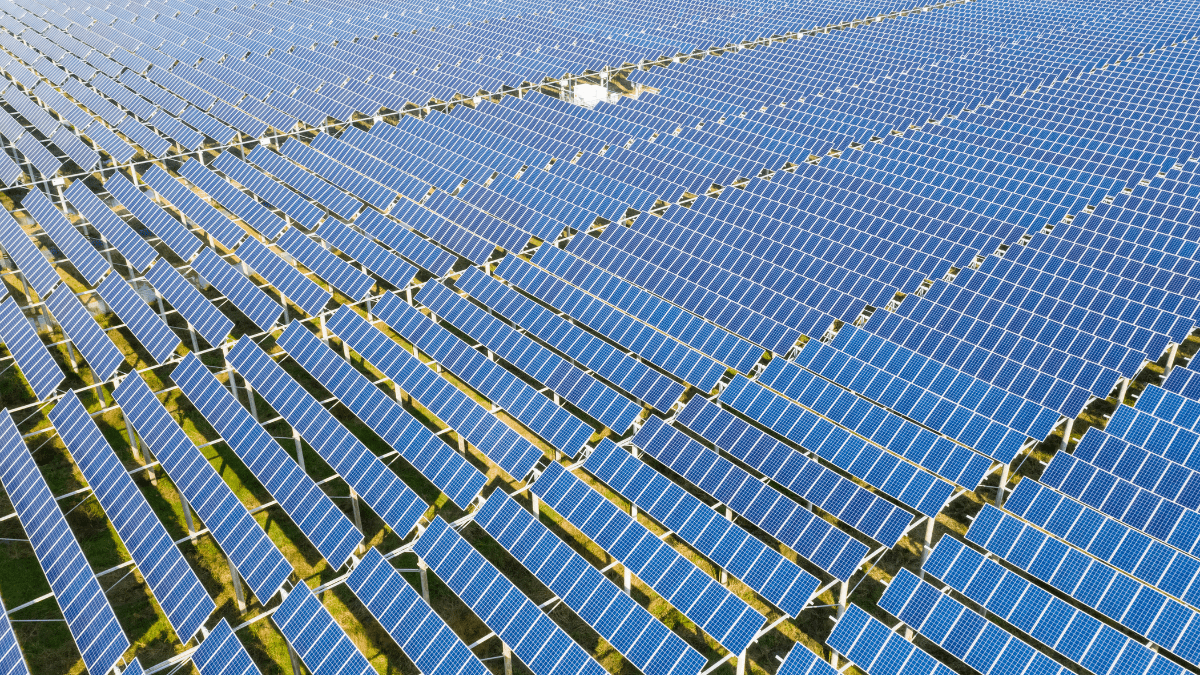
The initiatives promise 7.8 GW capacity, creating 19,000 jobs and unlocking nearly AUD 17 billion in private investment.
Why it matters: Australia is the global test lab for solar-driven grid instability; their move to revenue-underwritten storage is the blueprint for your 2026 business model.
While European installers are still wrestling with the "solar coaster" of fluctuating subsidies, Australia has just dropped a masterclass in grid-firming policy. The Capacity Investment Scheme (CIS) isn't just another green handout; it’s a revenue underwriting mechanism that solves the one thing keeping Dutch and German project developers awake at night: cannibalization.
The "Floor Price" Revolution
In markets like the Netherlands, where negative pricing is now a structural feature rather than a summer anomaly, the traditional PPA or feed-in model is dead. Australia’s CIS Tender 7 offers a "revenue floor" and "revenue ceiling." If the market price drops, the government steps in; if it spikes, the developer shares the upside. This AUD 17 billion investment isn't coming from altruism; it's coming because institutional investors finally have a predictable IRR on dispatchable assets.
We’ve seen this pattern before. Australia hits the penetration wall first, breaks it, and then we copy their homework two years later. If you're a C&I developer in Iberia or Benelux, start looking at how your projects can bid into grid services. The days of "install and forget" are over; the era of the "virtual power plant" revenue stream is officially here. Your next 5MW project in Spain won't be bankable without a battery—get used to it.