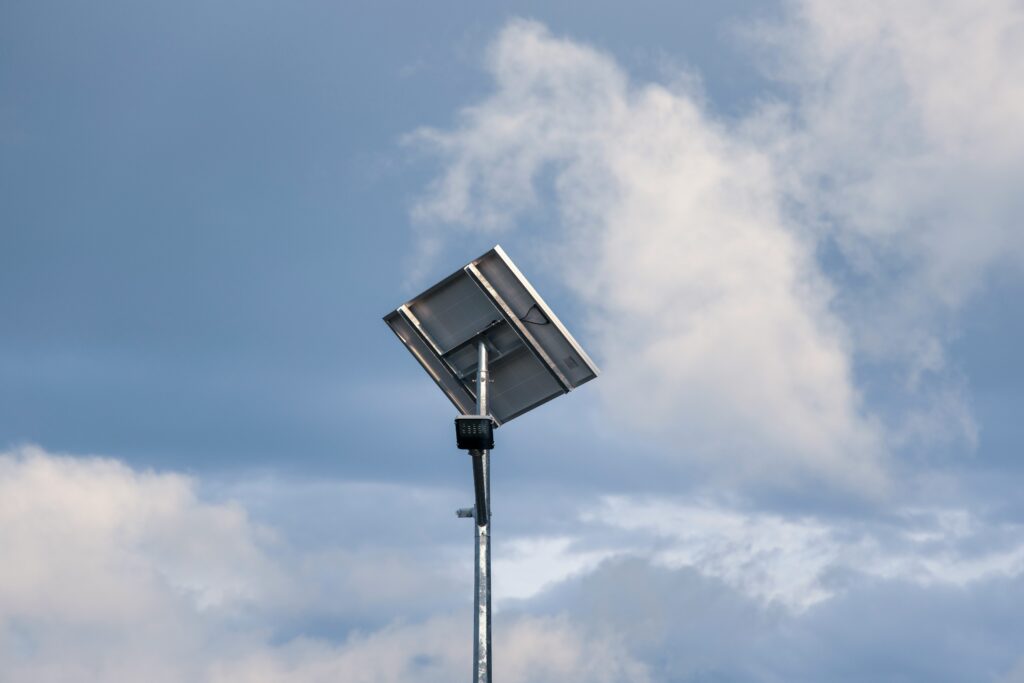
Las luminarias deberán disponer de una potencia mínima de 34 W, temperatura de color de 4.000 K, batería de litio de 70 W y un sistema fotovoltaico de 410 Wh. El contrato cuenta con un presupuesto total de 247.553 euros.
Why it matters: Municipal solar lighting is a high-visibility way to lose money if you don't catch the technical errors in the tender before signing the contract.
On the surface, Ayola’s tender for 205 solar streetlights looks like a straightforward municipal win. But if you’re a Spanish installer looking at that €247,553 budget, you need to put down the calculator and look at the technical specs first. At roughly €1,207 per unit (including installation, civil works, and commissioning), the margins here aren't just thin—they’re translucent.
The Technical Red Flags
The Installer's Survival Strategy
If you bid on this, do not buy off-the-shelf 'all-in-one' units from Alibaba. We’ve seen these fail within 18 months due to thermal stress on the integrated lithium cells sitting directly under a hot Spanish sun. To protect your O&M margins, propose a split system where the battery is housed at the base of the pole or shaded by the panel. If you don't account for the labor cost of replacing 205 batteries three years from now because of heat degradation, you aren't making a profit; you're taking a high-interest loan from the municipality.