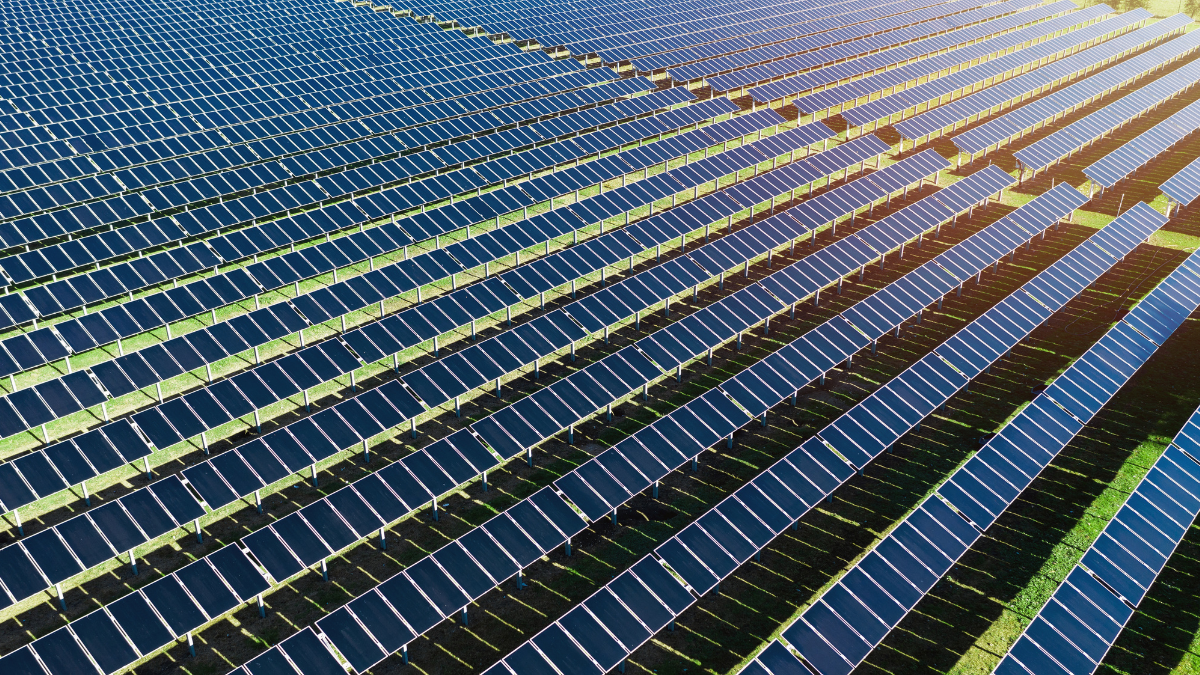
Eurohold Bulgaria and 360 Energy have launched a battery energy storage system at the 161-MWp Maglizh solar park in Bulgaria, transforming it into a hybrid renewable asset.
Why it matters: In congested CEE grids, storage is no longer an optional 'green' add-on—it’s the only way to avoid mandatory curtailment and capture peak pricing.
The Balkan Grid is Calling Time on Unrestricted Solar
If you’re still pitching "solar-only" utility-scale projects in Central and Eastern Europe (CEE), you’re selling a product that’s rapidly losing its market fit. The 161-MWp Maglizh plant isn't just a win for Eurohold Bulgaria; it’s a survival signal. For years, the Bulgarian market was a dash for capacity, but as the Electricity System Operator (ESO) increasingly resorts to curtailment to manage imbalances, the "build it and they will come" era has officially ended.
Revenue Is No Longer About Peak Production
The logic behind the Maglizh hybrid upgrade is simple: arbitrage and ancillary services. In markets like Bulgaria, the spread between mid-day solar gluts and evening peaks is widening aggressively. By integrating BESS, Eurohold and 360 Energy aren't just "stabilizing" power; they are positioning to capture revenue from Frequency Restoration Reserves (aFRR). For developers in Romania, Greece, or Poland, the lesson is clear: your ROI calculations must now account for the 15-20% CAPEX bump of storage to avoid being throttled by the grid operator during peak production hours.
The Engineer's Reality Check
We’ve seen this pattern in the UK and Australia. Bulgaria is just the latest domino to fall. If your 2025 pipeline doesn't include at least 1-hour duration storage, you’re not building a long-term asset; you’re building a grid liability.